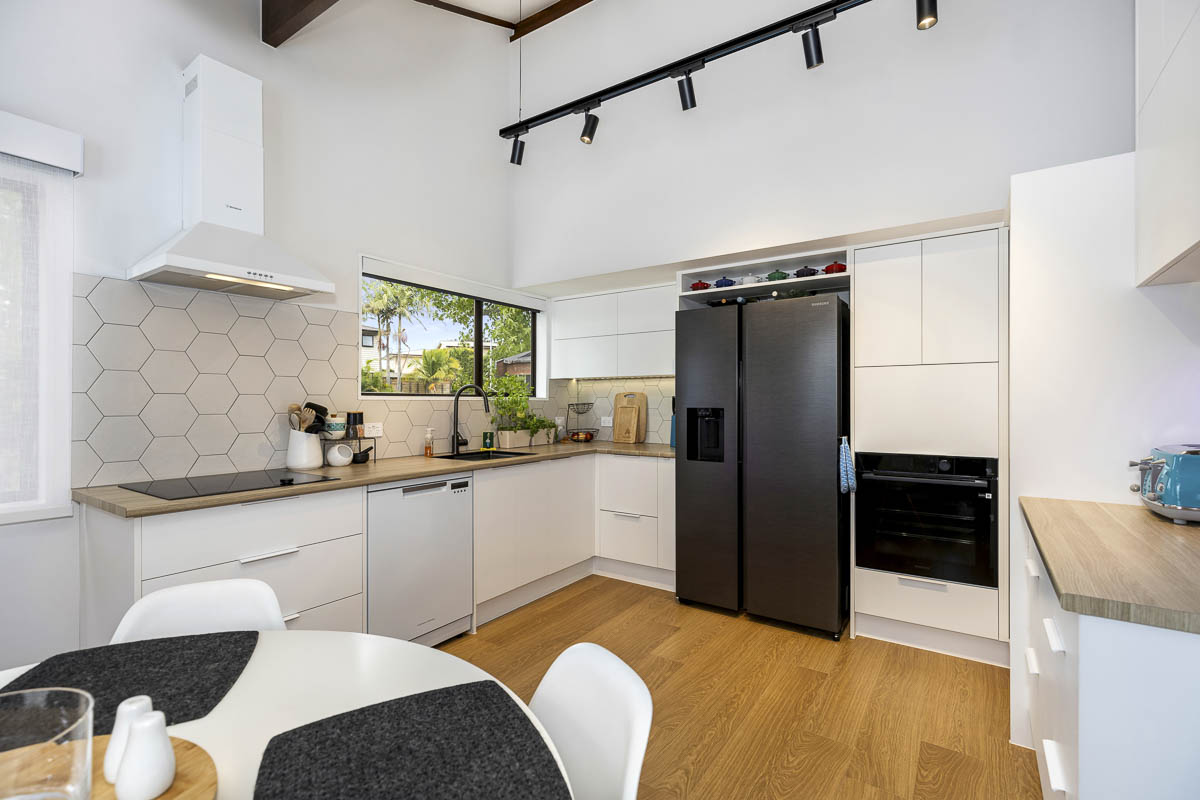
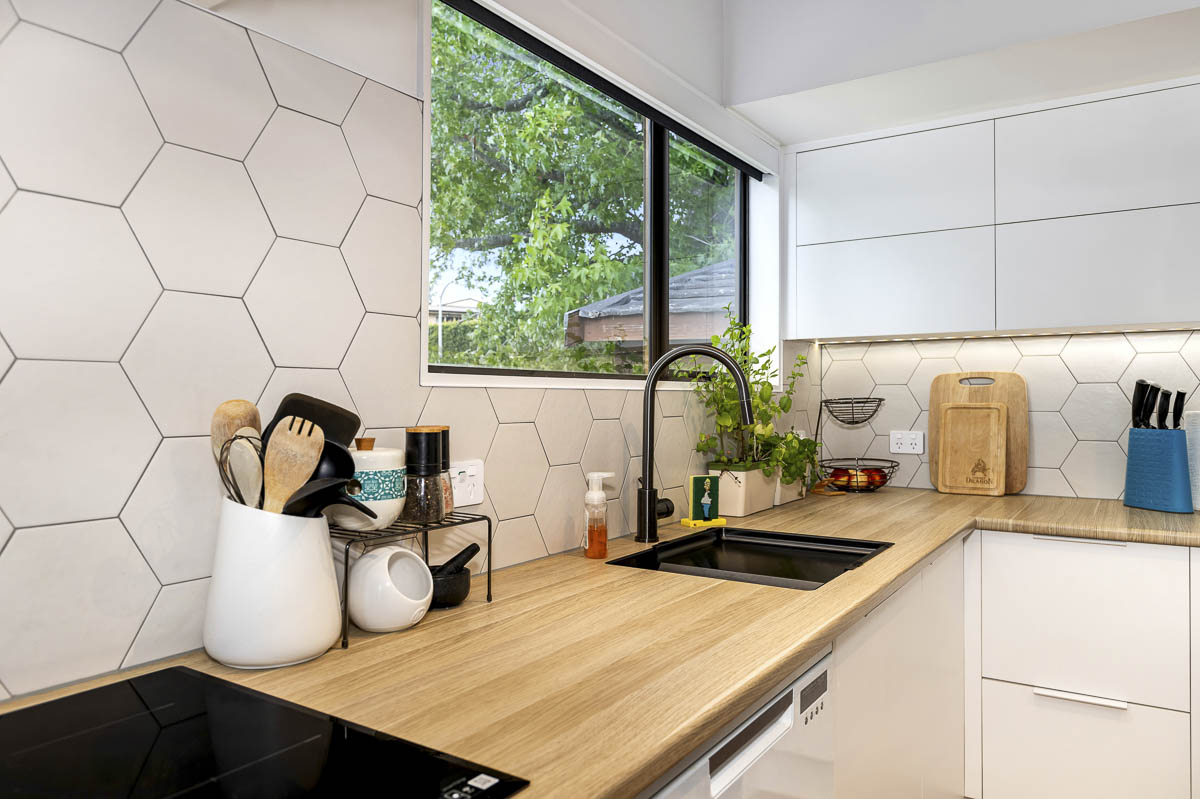
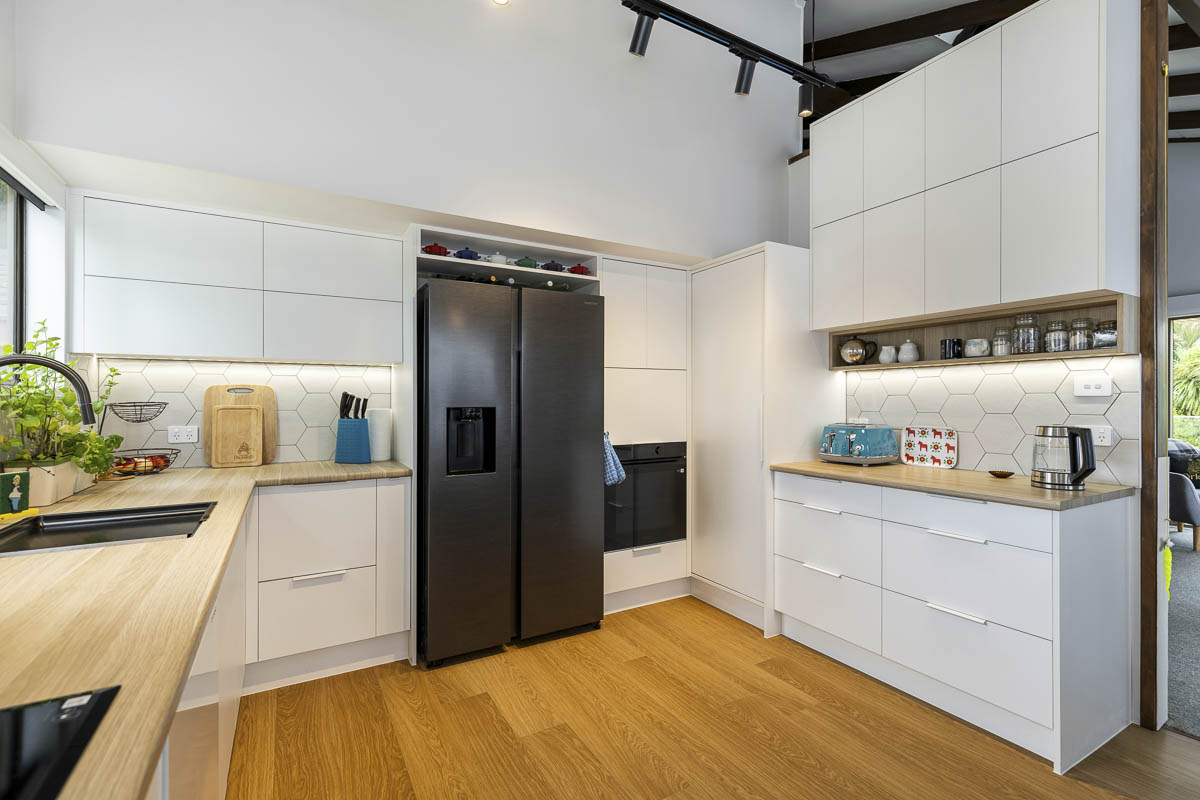
Article
Continue readingWhich Renovations Add the Most Value to Auckland Homes in 2025?
Video
Continue readingHow to Create a Realistic Renovation Budget for Your Auckland Home
Renovating your Auckland home can transform your living space and potentially increase your property’s value. However, without careful budgeting, your dream renovation can quickly become a financial nightmare. Auckland’s unique market conditions—from council requirements to premium labour costs—make it essential to create a realistic budget tailored to local conditions.
This guide provides practical steps to create an accurate renovation budget for your Auckland home, identify areas where you can save money, and plan appropriate contingencies to handle the unexpected.
Understanding Auckland’s Renovation Cost Factors
Before diving into numbers, it’s important to recognise that Auckland renovations typically cost 10-20% more than the national average due to:
- Higher labour rates for skilled tradespeople
- Premium material delivery costs
- Stricter council requirements and consent fees
- Complex site access in established suburbs
- Character home considerations in many areas
These Auckland-specific factors must be accounted for in your budgeting to avoid unpleasant surprises.
Step 1: Define Your Renovation Scope Clearly
The foundation of any realistic budget is a clearly defined scope. Take time to:
- Document exactly what work needs to be done
- Create separate lists for “must-haves” and “nice-to-haves”
- Specify materials, fixtures, and finishes you want
- Consider how long you plan to stay in the home (which affects investment decisions)
Being specific helps prevent scope creep—the gradual expansion of your project that can blow out your budget. Our renovation planning guide provides templates to help define your scope effectively.
Step 2: Research Current Auckland Market Rates
Accurate cost information is crucial for realistic budgeting. To gather current Auckland rates:
- Request quotes from at least three different tradespeople for major components
- Consult with a quantity surveyor for complex renovations
- Research material costs at multiple suppliers
- Talk to recently renovated neighbours about their costs
- Use online renovation calculators as a starting point, but add Auckland’s premium
For a typical Auckland home renovation in 2025, expect to budget approximately:
- Basic renovations: $1,100-$1,900 per square metre
- Mid-range renovations: $1,900-$3,000 per square metre
- High-end renovations: $3,000-$5,000+ per square metre
Step 3: Break Down Your Budget by Category
A detailed breakdown helps identify where your money is going and where you might save. Allocate your budget across these categories:
Major Structural Work (15-25%)
- Foundation work
- Wall removal or additions
- Roof modifications
Services (10-15%)
- Electrical rewiring
- Plumbing updates
- Heating/cooling systems
Kitchen and Bathrooms (25-35%)
- Cabinetry and benchtops
- Appliances and fixtures
- Tiling and specialised finishes
Interior Finishes (15-20%)
- Flooring
- Painting
- Lighting fixtures
- Window treatments
Professional Fees (8-15%)
- Architect/designer
- Engineer
- Project management
- Consent documentation
Exterior and Landscaping (5-10%)
- Decking
- Paving
- Fencing
- Planting
Our kitchen renovation cost guide and bathroom renovation cost guide provide more detailed breakdowns for these high-investment areas.
Step 4: Account for Hidden and Often Forgotten Costs
Many Auckland homeowners underbudget by overlooking these essential costs:
Council Fees and Compliance
- Building consent: $2,000-$10,000+ depending on project scope
- Resource consent (if required): $3,000-$15,000+
- Development contributions (for some projects)
- Inspection fees
Temporary Living Arrangements
- Rental accommodation during renovation: $3,000-$6,000+ per month
- Storage costs: $200-$500+ per month
- Moving expenses
Site Preparation and Protection
- Demolition and waste removal
- Temporary fencing and security
- Weather protection (particularly important in Auckland’s climate)
Post-Renovation Expenses
- Window treatments
- Furniture for new spaces
- Landscaping remediation
- Professional cleaning
Step 5: Build in Appropriate Contingency
Contingency is not an optional extra—it’s essential, especially in Auckland where older homes often hide surprises behind walls and under floors.
Recommended Contingency Percentages:
- New builds: 10-15%
- Modern homes (post-1990s): 15-20%
- Mid-century homes (1950s-1980s): 20-25%
- Character homes (pre-1950s): 25-30%
Keep your contingency in a separate account to avoid the temptation to allocate it to upgrades. Only use it for genuine unforeseen issues like discovering rot, borer damage, or outdated wiring that must be addressed.
Smart Ways to Save Without Compromising Quality
Saving money doesn’t mean cutting corners. Consider these Auckland-specific strategies:
Strategic Material Selection
- Invest in high-quality materials for high-impact, high-wear areas (flooring, countertops)
- Choose more budget-friendly options for less visible elements
- Consider ex-display items for appliances and fixtures
Timing Advantages
- Schedule non-urgent renovations during winter when tradespeople may offer better rates
- Order materials during sales periods
- Allow longer lead times to avoid rush charges
Reuse and Restore
- For character homes, restore original features rather than replacing them
- Refinish rather than replace where possible
Phased Approach
- Break larger renovations into manageable stages
- Focus first on structural and infrastructure elements
- Complete cosmetic updates as budget allows
Common Auckland Budget Pitfalls to Avoid
Be aware of these common budgeting mistakes specific to Auckland renovations:
Underestimating Consent Requirements Auckland Council has specific requirements that can add significant costs. Always check the Auckland Council Building and Renovation Projects page early in your planning process.
Ignoring Character Home Considerations Many Auckland suburbs have special character overlays that restrict certain changes and may require resource consent even for seemingly minor modifications.
Unrealistic Timeline Expectations Auckland’s consent processing times and tradesperson availability can extend timelines. Longer timelines mean higher holding costs for things like temporary accommodation or construction loans.
Failing to Account for Site Challenges Many Auckland properties have challenging access, steep sites, or limited space for materials and equipment, all of which can increase costs.
Using Digital Tools for Budget Management

Stay on top of your budget throughout the renovation with:
- Dedicated renovation budget apps
- Spreadsheet templates with built-in calculations
- Digital document storage for quotes and invoices
- Photo documentation of all stages
Ready to Create Your Auckland Renovation Budget?
Creating a realistic renovation budget requires Auckland-specific knowledge and careful planning, but the effort pays dividends in reduced stress and financial control throughout your project.
Our renovation assistant can help you develop a customised budget based on your specific Auckland property and renovation goals. Simply click the chat icon to get started with a free budget consultation, or contact our team directly to discuss your renovation plans with our experienced Auckland specialists.
Remember: the most successful renovations start with the most realistic budgets. Take the time to plan thoroughly, research diligently, and budget accurately before the first hammer swings.
Auckland Home Renovation Costs 2025: Complete Price Guide by Project Type (10-20% Higher)
Planning a home renovation in Auckland? Understanding the costs involved is crucial for setting realistic budgets and avoiding financial surprises. In this comprehensive guide, we break down the current 2025 renovation costs for Auckland homeowners across all major project types—from kitchens and bathrooms to full home renovations.
With Auckland’s renovation costs typically running 10-20% higher than the national average, having accurate, region-specific pricing information is essential for successful project planning. Whether you’re considering a basic refresh or a premium transformation, this guide provides the detailed cost information you need to make informed decisions.
Auckland Renovation Market Overview 2025
The Auckland renovation market in 2025 continues to be the most expensive in New Zealand, driven by several factors unique to the region:
Why Auckland Home Renovations Cost More Than Other NZ Regions
Auckland renovations typically cost 10-20% more than the national average due to:
- Higher Labor Rates: Skilled tradespeople in Auckland command premium rates ($90-$150/hour compared to $70-$120/hour in other regions)
- Increased Demand: Greater competition for quality contractors extends timelines and increases costs
- Property Values: Higher Auckland property values justify greater investment in quality materials and finishes
- Council Requirements: More stringent consent processes and compliance costs in Auckland
- Supply Chain Factors: Higher transportation and storage costs for materials
Auckland Renovation Cost Ranges Per Square Meter 2025
For 2025, Auckland renovation costs per square meter range from:
- Basic Renovations: $1,100-$1,920 per m² (10-20% above the national average of $1,000-$1,600)
- Mid-Range Renovations: $1,920-$3,000 per m²
- High-End Renovations: $3,000-$4,800+ per m²
These figures represent a 5-8% increase from 2024 prices, reflecting ongoing material cost inflation and labor shortages in the construction sector.
Special Considerations for Older Auckland Homes
Auckland’s housing stock includes many character homes built before the 1940s. These properties typically require:
- 25-40% higher renovation budgets due to unforeseen issues
- Additional costs for upgrading outdated electrical and plumbing systems
- Specialised approaches for maintaining character features while meeting modern building codes
- Potential remediation for issues like lead paint, asbestos, or insufficient insulation
Kitchen Renovation Costs in Auckland

The kitchen remains one of the most popular and valuable renovation projects for Auckland homeowners. In 2025, kitchen renovation costs vary significantly based on size, materials, and complexity.
Auckland Kitchen Renovation Cost Breakdown 2025
| Renovation Level | Cost Range (Auckland) | What’s Included |
|---|---|---|
| Basic Kitchen | $25,000-$40,000 | Pre-made cabinets, laminate countertops, standard appliances, basic lighting, simple backsplash, vinyl or tile flooring |
| Mid-Range Kitchen | $40,000-$80,000 | Semi-custom cabinets, engineered stone countertops, quality appliances, improved lighting, glass or tile backsplash, quality flooring |
| Premium Kitchen | $80,000-$150,000+ | Custom cabinetry, natural stone countertops, high-end appliances, designer lighting, premium backsplash, luxury flooring, structural changes |
Kitchen Renovation Component Costs Auckland
Understanding how costs are distributed helps with budgeting priorities:
Cabinetry (30-35% of total budget)
- Basic: Pre-fabricated cabinets ($5,000-$15,000)
- Mid-Range: Semi-custom cabinets ($15,000-$30,000)
- Premium: Fully custom cabinets ($30,000-$50,000+)
Countertops (10-15% of total budget)
- Laminate: $150-$300 per linear meter
- Engineered Stone: $550-$1,200 per linear meter
- Natural Stone: $1,200-$2,500+ per linear meter
Appliances (15-20% of total budget)
- Basic Package: Fridge, oven, cooktop, rangehood, dishwasher ($5,000-$10,000)
- Mid-Range Package: Quality brands with additional features ($10,000-$20,000)
- Premium Package: High-end brands, smart features, integrated appliances ($20,000-$40,000+)
Flooring (5-10% of total budget)
- Vinyl: $50-$100 per m²
- Tile: $80-$200 per m²
- Engineered Wood: $120-$250 per m²
Labor Costs in Auckland (25-35% of total budget)
- Cabinetry Installation: $80-$120 per hour
- Plumbing: $90-$140 per hour
- Electrical: $80-$120 per hour
- Tiling: $70-$100 per hour
Real Auckland Kitchen Renovation Cost Case Study 2025
Project: Mid-range kitchen renovation in Mt Eden, Auckland Kitchen Size: 20m² Total Cost: $62,500
Cost Breakdown:
- Cabinetry (semi-custom): $22,000
- Stone countertops: $8,500
- Appliances (mid to high-end): $12,000
- Flooring (porcelain tile): $3,600
- Backsplash (glass tile): $2,400
- Lighting: $2,800
- Plumbing: $3,200
- Electrical: $3,800
- Painting: $1,800
- Demolition and removal: $2,400
5 Cost-Saving Tips for Auckland Kitchen Renovations
- Maintain the existing layout to avoid costly plumbing and electrical changes (potential savings: $3,000-$8,000)
- Choose pre-fabricated cabinets over custom options (potential savings: $10,000-$20,000)
- Consider engineered stone instead of natural stone for countertops (potential savings: $2,000-$5,000)
- Retain and refinish existing cabinets where possible (potential savings: $10,000-$15,000)
- Shop floor models or ex-display appliances from Auckland retailers (potential savings: $2,000-$5,000)
Bathroom Renovation Costs in Auckland

Bathroom renovations are among the most complex home improvement projects due to the concentration of services (plumbing, electrical, waterproofing) in a small space. In Auckland, these costs are further elevated by the region’s premium labor rates and material costs.
Auckland Bathroom Renovation Cost Breakdown 2025
| Renovation Level | Cost Range (Auckland) | What’s Included |
|---|---|---|
| Basic Bathroom Refresh | $15,000-$20,000 | Like-for-like replacements, basic fixtures, vinyl flooring, minimal layout changes |
| Mid-Range Bathroom Renovation | $20,000-$35,000 | Complete overhaul, quality fixtures, custom vanity, glass shower, tiled floors |
| Luxury Bathroom Renovation | $35,000-$65,000+ | Premium fixtures, custom design, high-end tiles, heated floors, smart features |
Bathroom Renovation Component Costs Auckland
Labor (40-50% of total budget)
In Auckland, labor typically accounts for the largest portion of bathroom renovation costs:
- Plumbing: $90-$140 per hour
- Electrical: $80-$120 per hour
- Tiling: $70-$100 per hour
- Waterproofing: $60-$90 per hour
Materials (20-25% of total budget)
- Floor Tiles: $50-$150+ per m²
- Wall Tiles: $40-$120+ per m²
- Waterproofing: $500-$2,000 depending on bathroom size
- Gib/Drywall: $1,000-$2,500 for replacement
Fixtures (15-20% of total budget)
- Toilet: $300-$2,500+
- Shower System: $800-$5,000+
- Bath: $700-$8,000+
- Vanity: $600-$4,000+
- Tapware: $200-$2,000+ per fixture
Additional Components
- Heating: $300-$2,000 (towel rails, underfloor heating)
- Ventilation: $300-$1,200
- Lighting: $500-$3,000
- Mirrors/Cabinets: $300-$2,500
Auckland-Specific Bathroom Renovation Considerations
Auckland bathroom renovations face unique challenges:
- Council Consent: Required for structural changes, additional plumbing fixtures, or waterproofing($500-$2,000)
- Waterproofing Certification: Essential in Auckland’s humid climate and often required by insurance
- Space Constraints: Many Auckland homes have small bathrooms requiring creative solutions
- Building Age: Older Auckland villas and bungalows often need additional work to bring plumbing and electrical up to code
Real Auckland Bathroom Renovation Cost Case Study 2025
Project: Mid-range bathroom renovation in Remuera, Auckland Bathroom Size: 6m² Total Cost: $28,500
Cost Breakdown:
- Demolition: $2,200
- Plumbing: $4,800
- Electrical: $2,600
- Waterproofing: $1,200
- Tiling (labor and materials): $6,800
- Shower system: $2,400
- Toilet: $850
- Vanity and basin: $2,100
- Tapware: $1,200
- Lighting and ventilation: $1,800
- Accessories: $800
- Painting: $1500
- Project management: $1,000
5 Cost-Saving Strategies for Auckland Bathroom Renovations
- Keep plumbing fixtures in their existing locations (potential savings: $2,000-$5,000)
- Partially tile rather than floor-to-ceiling (potential savings: $1,000-$3,000)
- Refinish rather than replace the bathtub if it’s in good condition (potential savings: $1,000-$2,500)
- Choose standard-sized fixtures to avoid custom work (potential savings: $1,000-$3,000)
- Select mid-range tiles for floors and use more expensive feature tiles sparingly (potential savings: $1,000-$2,000)
Full Home Renovation Costs in Auckland

Full home renovations represent the most significant investment and vary dramatically based on the property’s size, age, condition, and the desired quality level.
Auckland Full Home Renovation Cost Breakdown by House Size
| House Size | Basic Renovation | Mid-Range Renovation | High-End Renovation |
|---|---|---|---|
| Small (100-130m²) | $95,000-$150,000 | $150,000-$250,000 | $250,000-$400,000+ |
| Medium (140-190m²) | $140,000-$220,000 | $220,000-$350,000 | $350,000-$550,000+ |
| Large (200-250m²) | $180,000-$280,000 | $280,000-$450,000 | $450,000-$700,000+ |
| Extra Large (250m²+) | $230,000+ | $400,000+ | $600,000+ |
What These Auckland Home Renovation Price Ranges Include
Basic Renovation:
- Interior painting
- Flooring replacement
- Kitchen and bathroom updates (not full remodels)
- Minor electrical and plumbing updates
- Basic fixtures and fittings
Mid-Range Renovation:
- Complete kitchen and bathroom remodels
- New flooring throughout
- Full electrical and plumbing updates
- New windows
- Interior and exterior painting
- Some structural modifications
High-End Renovation:
- Premium kitchen and multiple bathroom remodels
- High-quality materials throughout
- Significant structural changes
- Upgraded insulation and energy efficiency
- Smart home technology
- Luxury fixtures and finishes
- Landscaping and exterior improvements
Key Cost Factors for Auckland Full Home Renovations
Age of Home:
- Pre-1940s homes: Add 25-40% to your budget for addressing structural issues, outdated wiring, plumbing, and insulation
- 1940s-1970s homes: Add 15-30% for potential asbestos removal, electrical upgrades, and insulation
- 1980s-2000s homes: Add 10-20% for updating to current building code requirements
Structural Changes:
- Wall removal: $2,000-$10,000+ depending on load-bearing status
- Adding new windows/doors: $1,500-$5,000+ per opening
- Floor plan reconfiguration: $20,000-$100,000+
Quality of Materials:
- Basic materials: $1,100-$1,600 per m²
- Mid-range materials: $1,600-$2,500 per m²
- Premium materials: $2,500-$4,800+ per m²
Council Requirements:
- Building consent fees: $2,000-$10,000+ depending on project scope
- Resource consent (if required): $3,000-$10,000+
- Engineering reports: $2,000-$5,000+
- Council inspections: $500-$2,000
Staged Renovation Approach for Auckland Homes
Many Auckland homeowners opt for staged renovations to manage costs:
Stage 1: Essential structural work, weathertightness, electrical and plumbing updates Stage 2: Kitchen and bathroom renovations Stage 3: Interior finishes (flooring, painting, lighting) Stage 4: Exterior improvements and landscaping
This approach can add 10-15% to the overall cost but makes the project more financially manageable.
Real Auckland Full Home Renovation Cost Case Study 2025
Project: Mid-range renovation of 1960s home in Mt Albert, Auckland House Size: 160m² Total Cost: $320,000
Cost Breakdown:
- Design and consents: $18,000
- Structural modifications: $42,000
- Electrical rewiring: $22,000
- Plumbing updates: $26,000
- Kitchen renovation: $65,000
- Two bathroom renovations: $58,000
- Flooring throughout: $32,000
- Interior painting: $18,000
- Windows replacement: $35,000
- Exterior painting and repairs: $24,000
- Project management: $30,000
Other Renovation Projects and Their Costs in Auckland

Beyond kitchens, bathrooms, and full renovations, Auckland homeowners undertake various other improvement projects. Here’s what to expect cost-wise in 2025:
Auckland Home Extension Costs 2025
Adding space to your Auckland home costs approximately $3,000-$5,000 per square meter, with variables including:
- Single-story extension: $3,000-$4,000 per m²
- Double-story extension: $4,000-$5,000+ per m²
- High-end architectural extension: $5,000-$7,000+ per m²
Additional costs include:
- Council consents: $5,000-$10,000+
- Architectural design: $8,000-$20,000+
- Engineering: $2,000-$5,000+
Auckland Roof Replacement Costs 2025
Replacing a roof in Auckland typically costs:
- Concrete tiles: $15,000-$25,000 for average home
- Metal roofing: $18,000-$30,000 for average home
- Membrane roofing: $20,000-$35,000+ for average home
Auckland Flooring Replacement Costs 2025
Flooring costs per square meter installed in Auckland:
- Carpet: $50-$120 per m²
- Vinyl/Laminate: $60-$120 per m²
- Engineered timber: $120-$220 per m²
- Solid timber: $150-$300 per m²
- Tiles: $120-$250 per m²
Auckland Exterior Painting Costs 2025
For a typical Auckland home:
- Basic exterior paint job: $10,000-$15,000
- Mid-range with some prep work: $15,000-$25,000
- Premium with extensive prep/repairs: $25,000-$40,000+
Auckland Landscaping and Outdoor Renovation Costs 2025
- Basic garden makeover: $5,000-$15,000
- Mid-range landscaping: $15,000-$30,000
- Premium landscaping with features: $30,000-$50,000+
- Deck installation: $500-$1,000 per m²
- Concrete patio: $200-$400 per m²
- Fencing: $200-$600 per linear meter
Auckland Window Replacement and Double Glazing Costs 2025
- Standard aluminum windows: $8,000-$15,000 for average home
- Double glazed aluminum: $12,000-$20,000 for average home
- uPVC double glazed: $15,000-$25,000 for average home
- Timber double glazed: $20,000-$35,000+ for average home
Hidden Costs and Budget Planning for Auckland Renovations
Successful renovation projects in Auckland require accounting for often-overlooked costs:
Auckland Council Permits and Consent Costs 2025
- Building consent: $2,000-$10,000+ depending on project value
- Resource consent (if required): $3,000-$10,000+
- Water connection fees: $1,000-$5,000 if changes required
- Development contributions: Variable based on project scope
Professional Fees for Auckland Renovation Projects
- Architectural design: 8-15% of project cost
- Interior design: $100-$200 per hour or 5-10% of furnishing budget
- Project management: 10-15% of total project cost
- Engineering consultations: $2,000-$5,000+
- Quantity surveyor: 1-3% of project cost
Contingency Planning for Auckland Renovations
For Auckland renovations, industry experts recommend:
- Basic renovations: 10-15% contingency
- Complex renovations: 15-20% contingency
- Character home renovations: 20-30% contingency
This buffer protects against unforeseen issues like:
- Structural problems discovered during demolition
- Asbestos or lead paint remediation
- Electrical or plumbing systems requiring complete replacement
- Weather delays affecting timeline and costs
Temporary Accommodation Costs During Auckland Renovations
For major renovations, temporary accommodation in Auckland adds:
- Rental property: $600-$1,200+ weekly
- Storage costs: $200-$500+ monthly
- Moving costs: $1,000-$3,000+
Insurance Considerations for Auckland Renovation Projects
- Contract works insurance: 1-2% of project value
- Increased home insurance premiums post-renovation
- Public liability coverage for DIY projects
Financing Options for Auckland Renovations 2025
- Home loan top-up: Often the cheapest option (current rates from 6-8%)
- Construction loans: Staged funding for major projects (rates from 7-9%)
- Personal loans: For smaller projects (rates from 8-15%)
- Renovation-specific loans: Offered by some banks with competitive rates
Hiring Professionals vs. DIY for Auckland Renovations
Auckland Renovation Professional vs. DIY Cost Comparison
Professional Project Management:
- Adds 10-15% to overall project cost
- Typically $80-$150 per hour or fixed fee based on project size
DIY Project Management:
- Saves management fees but requires significant time commitment
- Potential for costly mistakes without proper experience
- Often results in longer project timelines
Partial DIY Approach:
- Professional management of complex elements (structural, plumbing, electrical)
- DIY for simpler aspects (painting, landscaping, some demolition)
- Potential savings of 5-10% with hybrid approach
Risks of DIY Renovations in the Auckland Market
- Compliance issues: Auckland Council has strict building requirements
- Insurance complications: DIY work may void insurance coverage
- Resale impact: Non-certified work can affect property value
- Safety concerns: Particularly with electrical, plumbing, and structural elements
- False economies: DIY mistakes often cost more to fix than professional work
Selecting Renovation Professionals in Auckland
Vetting Auckland Renovation Contractors:
- Verify Licensed Building Practitioners (LBP) status
- Check membership in industry organizations (Certified Builders, Master Builders)
- Review past projects and speak with previous clients
- Ensure proper insurance coverage
- Verify experience with Auckland Council consent processes
Questions to Ask Potential Auckland Renovation Contractors:
- How many similar projects have you completed in Auckland?
- Can you provide references from recent Auckland clients?
- What permits will my project require, and do you handle the application process?
- How do you handle unexpected issues and cost overruns?
- What is your typical payment schedule?
- Do you provide a detailed contract and specifications?
- What warranties do you offer on your work?
Understanding Auckland Renovation Quotes and Contracts:
- Ensure quotes are itemized with material specifications
- Confirm what’s excluded from the quote
- Verify timeline commitments and delay penalties
- Understand payment milestones and holdback provisions
- Check change order processes and associated fees
Money-Saving Tips for Auckland Renovations
Best Timing for Auckland Renovation Projects
- Winter months (June-August) often see 5-10% discounts from contractors during slower periods
- Avoid December-February when contractor availability is limited and prices peak
- Book 3-6 months in advance to secure preferred contractors without rush premiums
Material Selection Strategies for Auckland Renovations
- Ex-display kitchens and bathrooms can offer 30-50% savings
- End-of-line tiles and flooring typically discounted 20-40%
- Import directly for significant savings on fixtures and fittings
- Mixing high and low-end materials strategically (splurge on visible elements, save on hidden ones)
Layout Considerations for Cost-Effective Auckland Renovations
- Maintain existing plumbing locations to save $2,000-$5,000+
- Keep load-bearing walls intact to avoid structural costs of $10,000+
- Utilize existing window and door openings where possible
Where to Splurge vs. Save in Auckland Renovations
Worth the Investment:
- Quality tapware and fixtures (daily use items)
- Proper waterproofing and structural work
- Energy-efficient appliances and windows
- Professional design for complex spaces
Areas to Economize:
- Standard white tiles with feature accents rather than all premium tiles
- Open shelving instead of upper cabinets in kitchens
- Quality laminate flooring in less visible areas
- Stock cabinetry with custom hardware
Bulk Purchasing Opportunities for Auckland Renovations
- Multi-room discounts: 10-15% savings when renovating multiple spaces simultaneously
- Appliance packages: 15-20% off when purchasing kitchen appliances as a set
- Flooring volume discounts: 10-30% for whole-house purchases
Recycling and Upcycling Options in Auckland
- Demolition yards: Salvaged materials at 50-80% off retail prices
- Online marketplaces: Second-hand fixtures and materials
- Habitat for Humanity ReStore: Donated building materials at significant discounts
- Refinishing services: Refresh existing cabinetry, bathtubs, and countertops
Conclusion
Renovating in Auckland presents unique challenges and costs compared to other regions of New Zealand. With prices typically running 10-20% higher than the national average, careful planning and budgeting are essential for project success.
Key takeaways for Auckland homeowners planning renovations in 2025:
- Budget realistically: Account for Auckland’s premium costs and include a 15-20% contingency
- Prioritize value-adding improvements: Focus on kitchens, bathrooms, and functional layout changes
- Consider professional project management: The complexity of Auckland’s consent processes often justifies expert guidance
- Plan for the long-term: Invest in quality for elements you interact with daily
- Research thoroughly: Get multiple quotes and check references before committing
By understanding the true costs involved in Auckland renovations, you can approach your project with confidence, making informed decisions that balance your vision with your budget.
Frequently Asked Questions
How much should I budget for a kitchen renovation in Auckland?
In Auckland, kitchen renovations typically cost between $25,000-$40,000 for a basic update, $40,000-$80,000 for a mid-range renovation, and $80,000-$150,000+ for a premium transformation. These prices are approximately 10-20% higher than the national average due to Auckland’s higher labor and material costs.
Why are Auckland renovation costs higher than other regions?
Auckland renovation costs exceed other regions due to higher labor rates ($90-$150/hour vs. $70-$120/hour elsewhere), greater demand for skilled contractors, more stringent council requirements, higher property values justifying premium finishes, and increased transportation costs for materials.
Do I need council consent for my bathroom renovation?
In Auckland, you’ll need building consent for bathroom renovations that involve structural changes, plumbing relocations, electrical modifications, or alterations to bracing elements. Simple like-for-like replacements typically don’t require consent, but it’s always advisable to check with Auckland Council or a building professional before proceeding.
How long does a typical full home renovation take in Auckland?
A full home renovation in Auckland typically takes 4-12 months depending on scope, with small homes (100-130m²) averaging 4-6 months, medium homes (140-190m²) taking 6-9 months, and large homes (200m²+) requiring 9-12+ months. Consent processes, weather delays, and contractor availability can extend these timeframes.
What’s the best way to finance a major renovation in Auckland?
For Auckland homeowners, the most cost-effective financing option is usually a home loan top-up, currently offering rates from 6-8%. Other options include construction loans for major projects (7-9% interest), personal loans for smaller renovations (8-15% interest), or renovation-specific loans from major banks. The best choice depends on your equity position, credit rating, and project scope.
How much value will my renovation add to my Auckland property?
Well-executed renovations in Auckland typically add 50-80% of their cost to your property value. Kitchen and bathroom renovations offer the best returns (potentially 70-80% of costs), while swimming pools and highly personalized renovations provide lower returns (30-50%). The value-add varies by neighborhood, with premium suburbs seeing better renovation returns than developing areas.
Should I move out during a major renovation?
For full home renovations or projects affecting multiple rooms, temporarily relocating is usually advisable. While adding $600-$1,200+ weekly to your budget for accommodation in Auckland, it can actually save money by allowing faster work progression (potentially 15-30% time savings) and eliminating health concerns from dust, noise, and limited facilities. Many contractors also offer discounts for unoccupied renovations.
What’s the most cost-effective renovation to increase property value?
In Auckland’s market, kitchen renovations typically offer the best return on investment, with mid-range updates ($40,000-$80,000) often recouping 70-80% of costs in added value. Bathroom renovations and creating open-plan living spaces also provide strong returns. For maximum value, focus on improvements that address Auckland buyers’ priorities: modern kitchens, indoor-outdoor flow, and energy efficiency.
Ready to start planning your Auckland renovation? Contact us today for a free consultation and personalized quote tailored to your project needs.
Phone: 09-393-5658
Email: team@addvaluerenovations.co.nz
Website: https://addvaluerenovations.co.nz/
Home Extension Costs in New Zealand: A Complete Guide for 2025
Dreaming of more space but dreading the cost and hassle of moving? A house extension might be the perfect solution, but only if you know what you’re getting into.
Many Auckland homeowners face common pain points with extensions, such as:
- Cost uncertainty
- Complex processes
- Stress and overwhelm
This guide will demystify house extension costs in New Zealand and offer valuable tips to help you achieve your dream expansion within budget.

House extension cost NZ: what’s a realistic budget?
| Extension type | Approx. cost range | Factors affecting price | Typical size range |
|---|---|---|---|
| Basic bedroom | $50,000 – $80,000 | Size, materials, site challenges, location | 10-20 sqm |
| Multi-room | $120,000 – $250,000+ | Size, materials, site challenges, location | 30-60 sqm |
| Second storey addition | $200,000 – $400,000+ | Size, materials, site challenges, location, structural reinforcement, staircase | 50-100 sqm |
| Garage extension | $30,000 – $100,000+ | Size, materials, site challenges, location, foundation, electrical work | 20-40 sqm |
| One-level extension | $100,000 – $300,000+ | Size, materials, site challenges, location, foundation, plumbing, electrical work | 20-80 sqm |
| Kitchen extension | $50,000 – $150,000+ | Size, materials, site challenges, location, plumbing, electrical work, appliances | 10-30 sqm |
| Bathroom extension | $30,000 – $100,000+ | Size, materials, site challenges, location, plumbing, electrical work, fixtures | 5-15 sqm |
| Deck or Patio Addition | $20,000 – $80,000+ | Size, materials, site challenges, location, foundation, landscaping | 20-50 sqm |
*Costs are starting points and will vary based on specific project requirements
Key factors influencing your budget

Size and type
A basic bedroom addition will be more affordable than a multi-room extension with a kitchen and bathroom. More complex layouts require additional plumbing, electrical, and structural work, which drives up costs. The floorspace of your extension also play a significant role in determining the overall cost. Larger extensions require more materials, labour, and time, resulting in higher expenses.
Materials
Standard finishes like basic tiles and laminate will keep costs down. High-end options like stone worktops and hardwood floors will quickly escalate your budget. The quality of materials you choose for your extension will greatly influence the final cost. Opting for energy-efficient windows or sustainable building materials may increase upfront costs but can lead to long-term savings on utility bills and contribute to a more environmentally friendly home.
Site challenges
New Zealand’s diverse terrain and unique building code requirements can significantly impact extension costs. Sloping sites or areas with unstable soil necessitate more complex foundations and engineering, potentially adding tens of thousands to the bottom line. Access to the construction site can also affect costs. If your property is difficult to access or requires special equipment for material delivery, this can increase expenses. Existing structures, such as retaining walls or large trees, may need to be removed or modified to accommodate your extension, further impacting your budget.
Location
Extension costs vary between regions in Auckland. Generally, areas with higher property values and more affluent demographics will command higher construction costs. Additionally, the current labour shortage in New Zealand can impact project timelines and costs. The proximity to suppliers and the cost of transportation for materials can also influence your budget. If your location is far from major cities or suppliers, you may face higher costs due to increased shipping and delivery expenses. Local council regulations and permit requirements can vary by location, potentially affecting the approval process and associated costs for your extension project.
Hidden costs that can derail your project
Beyond the visible construction expenses, several hidden costs can catch Auckland homeowners off guard:
Council fees and consents
All extensions require council approval. Depending on your project’s complexity, consent fees can range from a few hundred to several thousand dollars. The process can also lead to costly delays if not managed proactively. Familiarise yourself with the council consent guidelines to avoid surprises.
The ‘upgrade creep’
It’s tempting to renovate other parts of your house while extending. But beware – this scope creep means costs can quickly balloon as you end up paying renovation prices for portions of your home that weren’t originally budgeted for.
Specialist trades
Complex extensions often call for specialist input from engineers, surveyors, and other consultants. Their fees can add significant expense to your project.
Unforeseen issues
Old homes often hide surprises behind the walls. Rotting timber, faulty wiring, or hidden asbestos can all lead to budget blowouts. Weather delays are another common culprit. Thorough inspections and contingency planning are crucial.
Smart ways to save on your extension

While home extensions are undoubtedly expensive, strategic decisions can help you save without compromising quality.
The prefab advantage
Prefabricated or modular extensions are gaining popularity in NZ. With much of the construction done off-site in controlled conditions, they can save considerable amounts on labour and reduce on-site delays.
“For a recent Auckland homeowner’s 30m2 bedroom extension, opting for a prefab solution saved over $15,000 compared to traditional construction methods.”
Second-hand savvy
Incorporating recycled building materials into your extension project can lead to significant savings. Quality doors, windows, and even entire kitchen cabinetry sets can often be found at a fraction of the new price.
Off-season savings
Scheduling your extension during the shoulder season can lead to lower labour and material costs. By avoiding peak building times like summer, you may be able to secure potential discounts.
| Savings opportunity | Potential cost reduction |
|---|---|
| Strategic scheduling | 5-15% |
| Prefab elements | 10-20% |
| Second-hand materials | 30-50% on applicable items |
*Actual savings will vary depending on the specific project and market conditions. The Add Value Renovations team will work closely with you to identify and maximise savings opportunities for your unique extension project.
North Shore family transforms 1950s home with Add Value Renovations

Ben and Sugar’s Northcote house was ready for a change after remaining virtually unchanged since 1959. They envisioned an open living area, a separate master bedroom with an ensuite, and a modernised space.
Add Value Renovations provided a fixed-price quote, and the project was greenlit. Despite some challenges with the original architect’s plans, our team adapted quickly, bringing in a new architect to ensure a successful outcome.
The transformation
- Created an open-plan living area
- Added a separate master bedroom with an ensuite
- Converted the existing sunroom into additional living space
- Added a new entertainment area and a spare bedroom
- Incorporated a dream kitchen and bathroom overlooking the tranquil bush reserve
Ben and Sugar were overjoyed with the results – an updated and modernised home that meets their needs and enhanced their property’s value. Add Value Renovations’ professionalism and expertise ensured a smooth and successful project outcome.
Why choose Add Value Renovations?
Stress-free process
Our team, led by founder Simon Liu, has over 10 years of experience in the industry. We’ve perfected our processes to streamline your renovation journey and handle any unexpected challenges along the way.
Expert project management
From coordinating contractors and sourcing materials to handling council submissions, our dedicated project managers take care of every detail, ensuring your extension progresses smoothly and efficiently.
Time and cost savings
We understand that time and money are crucial factors for homeowners. Our streamlined processes and industry connections help you save both, without compromising on quality.
Extending your home is a significant investment, but with careful planning and the right support, it can be an incredibly rewarding experience. By understanding the costs involved, making strategic decisions, and partnering with experienced professionals like Add Value Renovations, you can transform your space and your lifestyle.
Ready to see if an extension is right for your Auckland home? Get your free personalised quote today!
At Add Value Renovations, we’re passionate about helping Auckland homeowners navigate the extension journey. If you’re considering an extension, we offer free consultations and quotes to help you understand your options and costs. Let’s work together to turn your vision into a reality.
Renovation pricing secrets: understanding estimates, quotes, or proposals
Are you planning a kitchen remodel but seeing dollar signs? You’re not alone! Understanding the difference between estimates, quotes, and proposals can be confusing.
Let’s decode them and show you how to avoid budget surprises by getting the RIGHT pricing for your project.
Estimate vs quote vs proposal: what’s the difference?

While these terms are often used interchangeably, they actually serve different purposes at various stages of your remodelling journey.
Here’s a quick breakdown:
| Document | Definition | Best for |
|---|---|---|
| Estimate | Rough price range | Small, simple jobs; Budget planning |
| Quote | Fixed price | Detailed scope of work; Comparing contractors |
| Proposal | Overall plan | Unique solutions; Large or complex projects |
An estimate is a great starting point. It gives you a ballpark figure to work with while you’re gathering ideas and setting a budget. But beware! Estimates often leave out hidden costs that can bust your budget down the line. Watch out for these common surprises:
- Permit fees
- Demolition and disposal costs
- Unexpected structural repairs
- Premium finishes or fixtures
As your vision takes shape, you’ll want to graduate to more detailed pricing. This is where quotes come in. A good quote will provide a fixed price for a specific scope of work. It should itemise labour, materials, and any additional fees. This level of detail allows you to accurately compare offers from different contractors.
For larger projects, like a full kitchen remodel, you may need more than just a price. You need a plan. This is the realm of the project proposal. A comprehensive proposal will include design renderings, material selections, a timeline and, of course, detailed pricing. It should give you a complete picture of how the contractor intends to bring your vision to life.
Smart strategies for choosing the right pricing document
So how do you know which type of pricing document to request at each stage? Here’s a handy guide:
| Scenario | Best document | Reason |
|---|---|---|
| Need a rough idea for bathroom updates | Simple estimate | Helps set an initial budget |
| Ready to choose a contractor | Detailed quote | Compare apples to apples |
| Planning a full kitchen remodel | Comprehensive proposal | Ensures contractor understands your vision |
The key is to align the level of detail with your stage in the process. Early on, an estimate is enough to get the ball rolling. But when you’re ready to choose a contractor and start work, detailed quotes and proposals are a must. They protect you from budget overruns and ensure everyone is on the same page.
Case study: Simon and Joanna’s bedroom and ensuite transformation

To see these principles in action, let’s look at a real-world example. Simon and Joanna came to us with an underused upstairs living room in their Auckland home. They wanted to transform it into a functional bedroom and ensuite, but they were worried about costs and navigating council approvals.
After a thorough consultation, we provided Simon and Joanna with a comprehensive proposal. It included:
- Detailed scope of work
- 3D renderings of the new design
- Itemised list of materials and finishes
- Timeline with key milestones
- Fixed-price quote
- Guidance on obtaining building consent
Our proposal gave Simon and Joanna peace of mind. They knew exactly what they were getting and for how much. And our unique design process and expertise in council approvals ensured their new space perfectly fit their lifestyle and budget.
Your dream kitchen CAN BE YOURS with the right pricing
Ready to start your kitchen transformation? As a specialist in modern kitchen design in Auckland, Add Value Renovations is here to guide you every step of the way.
Contact us for a free consultation. Our kitchen design experts will work with you to understand your vision, provide detailed pricing, and create a plan to make your dream kitchen a reality.
With the right pricing strategy and a partner like Add Value Renovations, your dream kitchen can be yours!
Garage Conversion Costs in Auckland: What to Expect & How to Maximise Value
If the idea of a new home office gets you excited, but Auckland real estate prices make you sigh, your garage could be the solution you’ve been searching for!
In this article, we’ll uncover the costs of converting your garage and help you decide if it’s worth it for your situation.
Is a garage conversion right for you?

Garage conversion benefits and drawbacks
As trusted Auckland garage conversion specialists, we’ve transformed dozens of underused garages into dream spaces. A well-planned conversion can offer several key benefits. However, it’s important to also be aware of a few potential drawbacks before embarking on this home renovation project.
One of the most significant advantages of converting your garage is the valuable extra living space it provides without the need to move house. Whether you need a home office, a playroom for the children, a guest bedroom, or a personal gym, repurposing your garage allows you to create the space you desire while staying in the home you love. This is especially beneficial if you’ve outgrown your current living space but don’t want to go through the hassle of moving house. It can often be cheaper to renovate than to move.
Another appealing aspect of a garage conversion is the potential to increase your home’s resale value. A thoughtfully designed and well-executed conversion can be a significant selling point, making your property stand out in the real estate market. Many buyers appreciate the added versatility and functionality that a converted garage offers, and they may be willing to pay a premium for a home that already has this feature. Of course, the extent of the value increase depends on various factors. These include the quality of the renovation, the local housing market, and the overall demand for such spaces.
However, it’s crucial to acknowledge that a garage conversion does come with some temporary disruption during the renovation process. Depending on the scope of the project, you may need to deal with noise, dust, and workers coming in and out of your home for several weeks or even months. This can be inconvenient and stressful, especially if you’re living in the house during the construction. It’s important to plan ahead, communicate openly with your contractors, and create a timeline that minimises the impact on your daily life as much as possible.
Moving vs converting: the real cost comparison
If you want more living space, renovating your garage can often be a more cost-effective solution than moving house. Moving involves a multitude of expenses – real estate agent fees, conveyancing fees, stamp duty, and moving costs – which can quickly add up to a substantial amount. In contrast, converting your existing garage allows you to leverage the space you already have, thereby avoiding these additional costs.
| Moving expense | Typical cost |
|---|---|
| Professional movers (3-bedroom house) | $1,500 – $2,500 |
| Packing materials | $200 – $500 |
| Temporary storage rental | $500 – $1,000 |
| Real estate agent commission (3.5% on $1M house) | $35,000 |
In contrast, a basic garage conversion in Auckland typically starts around $30,000, making it a more budget-friendly option for gaining extra space.
Garage conversion cost breakdown

Price ranges for various conversion types
From simple home offices to self-contained granny flats, here’s what you can expect to pay based on our experience with Auckland garage conversions.
| Conversion type | Typical cost range |
|---|---|
| Basic room (no plumbing) | $30,000 – $50,000 |
| Adding a bathroom | $50,000 – $90,000 |
| Full granny flat (bathroom + kitchen) | $90,000 – $150,000+ |
Costs are estimates only and may vary based on project specifics and current market rates.
Beware these hidden costs!
Even with diligent planning, unexpected expenses can pop up during a garage conversion project. These additional costs can quickly add up and strain your budget if not accounted for in advance. Here are a few common unexpected expenses to keep in mind:
🏛️ Auckland Council consents and fees: Budget an extra $2,000 to $5,000 for building consents, which are required for structural changes, plumbing, and electrical work. Failing to obtain the necessary consents can result in fines and legal issues.
🔌 Old wiring replacements: If your garage has outdated or unsafe electrical wiring, it will need to be replaced to meet current safety standards. Updating electrical wiring can add anywhere from $5,000 to $10,000 to your total project cost.
🚧 Foundation repairs: If your garage floor is cracked, uneven, or not properly insulated, it may require leveling or repairs before the conversion can proceed. Depending on the extent of the damage, foundation repairs can cost anywhere from $2,000 to $8,000 or more.
While these unexpected expenses can be daunting, they are an essential part of ensuring the long-term success and safety of your garage conversion. By working with experienced professionals and setting aside a contingency fund, you can navigate these challenges and bring your dream space to life.
DIY vs professional: where to save, where to splurge

Handy homeowners can save by tackling some aspects of the conversion themselves.
| DIY-friendly tasks | Typical savings |
|---|---|
| Interior painting | $1,000 – $3,000 |
| Laying flooring (laminate or LVT) | $2,000 – $4,000 |
| Simple demolition | $500 – $1,500 |
Remember, you should always hire licensed builders for electrical, plumbing, and structural work to ensure safety and compliance.
Real-life reno: garage conversion + bathroom & kitchen renovations in Remuera

The transformation
Determined to realise their vision, Simon and Jo navigated the complexities of building regulations in Remuera. Their project encompassed:
- Garage conversion into bedrooms and bathroom: Successfully converting the former garage into two spacious bedrooms and a modern bathroom, all fully compliant with building standards.
- Kitchen renovation: The heart of the home had a complete makeover, featuring dark oak Melteca panels, engineered stone surfaces, and high-end Miele appliances, complemented by Hettich hardware. The result is a blend of aesthetics and functionality.
The transformation from a modest two-bedroom home with an unofficial living space to a fully renovated, legal, and functional residence is a testament to Simon and Jo’s resilience and vision. The project has not only added valuable living space but also significantly enhanced the property’s appeal and value.

🔗 Want to see more? Explore our projects for more inspiring before-and-afters!
Beyond the budget: critical considerations
Will converting the garage destroy my home’s value?
In some Auckland neighbourhoods, off-street parking is an essential feature. Removing a garage may potentially lower your home’s appeal to buyers.
However, if your area has plenty of street parking or you can add a carport, a well-designed garage conversion may actually increase your property value by adding useful living space.
👉 Pro tip: Chat with a local real estate agent to understand the parking vs. space balance in your specific community before taking the plunge.
Council consents made simple
Working out when you need Auckland Council building consent for a garage conversion can be difficult. We’ve simplified it here:
| Project type | Consent required? |
|---|---|
| Simple conversion (no plumbing or structural changes) | Typically no |
| Adding a bathroom | Maybe |
| Installing a kitchen | Yes |
| Replacing garage door with wall/windows | Yes |
Always verify current consent requirements with Auckland Council before starting your project, as regulations may change.
Ready to convert your Auckland garage into your dream space?
A carefully planned garage conversion can be a smart, cost-effective way to gain valuable living space without the hefty price tag of moving.
At Add Value Renovations, we’ve perfected the art of transforming ordinary Auckland garages into extraordinary spaces tailored to your specific needs, style, and budget. From concept to completion, we handle every aspect of the conversion process, including navigating council consents and ensuring all work meets or exceeds building code standards.
Take the first step towards your dream garage conversion today by scheduling a free, no-pressure consultation. We’ll visit your home, evaluate your garage’s potential, and provide an accurate cost estimate so you can make the best decision for your family and finances.
Let’s collaborate to create a space you’ll love coming home to! 🏡
Renovation costs: fixed price or charge-up – which is right for you?
Most Auckland homeowners kick off a renovation with the same dream:
a clear plan, a fair price, and no surprises.
But here’s the bit a lot of people only discover once they’re knee-deep in gib dust and invoices:
The pricing model you choose at the very start can completely shape your experience — for better or worse.
And if you choose the wrong one?
Your “dream reno” can turn into a slow, stressful, budget-blowing headache.
Let’s break it down properly, in plain English.
The Real Budget Risk: Charge-Up (Cost-Plus)
Charge-up sounds fair.
You pay for the time and materials as they’re used.
If things change, you just “adjust the bill.” Easy, right?
Yeah… not usually.
Here’s what actually tends to happen:
- The scope creeps.
A tweak here, an upgrade there, “Oh, we may as well fix that while we’re here”… - Labour blows out.
Hidden issues, weather, tradies overlapping — all of it adds hours. - You carry all the risk.
If the builder underestimates, you’re the one footing the bill. - It’s almost impossible to pull back once you start.
By the time you see the spend climbing, you’re already committed.
We hear this all the time from homeowners:
“We honestly didn’t realise how fast the numbers could climb.”
And by then, it’s too late.
The Safer Option: Fixed-Price

A fixed-price contract is the opposite.
Before anyone picks up a hammer, everything is scoped, priced, and agreed.
The number is the number.
Why it works so well in Auckland:
- You know the total cost before you begin.
- You get a clearly defined scope — no guesswork.
- Planning is more accurate and delays are reduced.
- Risk is shared, not dumped entirely on you.
It’s predictable. It’s controlled.
And it lets you enjoy your renovation, not stress about every invoice.
So… Which Should You Choose?
Charge-up can work if:
- The job is tiny
- You can’t define the scope (e.g., emergency repairs)
- You’re genuinely comfortable carrying all risk
But for kitchens, bathrooms, extensions, and full home renos?
Fixed-price is almost always the safer, smarter choice.
Quick Kiwi Checklist for a Solid Fixed-Price Build

Before you sign anything:
✔️ Is the scope clearly defined?
✔️ Do you have a full list of materials, fittings, finishes?
✔️ Did the builder give a full breakdown — not just a lump sum?
✔️ Have you seen a timeline and build sequence?
✔️ Do you understand what’s not included?
✔️ Have you set aside a sensible contingency?
✔️ Do you know exactly how variations will be handled?
If you can confidently tick these off, you’re in great shape.
Final Thought
Renovations in Auckland aren’t cheap — and they’re not getting any cheaper.
But the stress, the budget blowouts, the sleepless nights… those can be avoided.
Start with the right pricing model.
Ask the awkward questions.
Get clarity before you sign anything.
Your future self (and your bank account) will thank you for it.
FAQ
Want to know what your renovation is likely to cost — before you get too far down the track?
Use our quick Instant Estimate Tool.
It gives you a realistic price range based on real Auckland build data, so you can start your project with confidence (and no surprises).
What does it cost to renovate a bathroom in New Zealand?
An in-depth guide to the things to think about, and what you can expect to pay for your New Zealand bathroom renovation.
The most important thing to consider when you decide to renovate a bathroom is the purpose of the renovation. The choices you make need to be centred around your ‘why’. Are you looking to maximise value for sale, update a rental property, or create the perfect bathroom for your dream home?
Bathroom renovation or remodel costs in New Zealand can vary hugely depending on size and purpose – is yours a large bathroom or an en-suite? Are you after a luxury bathroom or do you want to keep it as cheap as possible? Whatever your answers, the Auckland bathroom renovation experts Add Value Renovations can keep you on the right path.
Let’s talk general price-ranges before we break it down further:
Basic: Under $25,000
Vinyl or low-range floor tiles; acrylic shower; painted walls; affordable fixtures; standard mirror and vanity.
Mid-range: $25,000 to $40,000
Tiled floor and shower and half- or fully tiled walls; mid-range fixtures; underfloor heating; LED mirror and a custom-made vanity.
Luxury: $40,000+
Award-winning interior designer; high-end designer tiles for the floor, wall and shower; high-end fixtures; custom-designed LED mirror and vanity.
As you can see, there are five or six main aspects to consider when you are planning a renovation: the floor, the walls, the shower, the fittings, the vanity and mirror, and (optionally) an interior designer.
1. Acrylic vs tiled shower
Acrylic shower

For large family homes and rentals, an acrylic shower makes a great low-maintenance option. They are affordable, easy to clean, durable, watertight, and fast to install (usually 1 to 2 days).
Cost: $900 to $3,000
Variables: brand, design and size.
Tiled shower

Tiled showers are popular options because of their contemporary look; they also provide great value when it comes to selling a property.
Cost: $3,500 to $11,000
- Tiled shower base $500-$3,000
- Glass & door $1000-$3,000
- Tiles & waterproofing $2,000-$5,000
Variables: the price of the tiles, waterproofing system, and any necessary structural support.
2. Painted vs tiled bathroom wall
The walls will set the tone for the whole bathroom, but there’s more than to consider than colour. (Note: these prices are for a 6 sqm bathroom with a standard-height ceiling.)
Painted bathroom walls

The cheapest option, painting your bathroom is a quick and easy way to bring it back to life.
Cost: $1,300
Variables: paint brand and cost
Tiled bathroom walls

Tiling your walls can give your bathroom a luxurious feel and make a tiled shower feel more integrated into the bathroom as a whole. You don’t have to go for tiling all over – for a luxury feel with lower cost, you can always go for a combination such as tiling the lower half of the walls and painting the top half.
Cost: $2,300 to $3,500
Variables: tile design and quality
3. Plumbing & electrical
Here’s where things really get fun! Choose your mod-cons wisely to make your bathroom perfect for your purpose. The right tech can make your ensuite a private paradise or turn your family bathroom into a palace of practicality.
Plumbing
One tap or two? Get the perfect fittings to suit your tastes, uses and budget.
Cost: $2,200-$3,900
Electrical
Even a small bathroom can feel like a day spa with a little technological help.
Cost: $2,750-$5,500
- Powerpoints: $150-$250
- LED lights: $300-$1,000
- Underfloor heating: $800-$2,500
- Heated towel rail: $200-$900
- Extraction fan: $300-$800
4. Vinyl vs tiled flooring
It may sound obvious, but it’s important to remember that your bathroom floor needs to be able to withstand a fair bit of water. That does limit your options when it comes to thinking about options during your bathroom remodel. (Note: these prices are for a 6 sqm room.)
Vinyl bathroom flooring

Cheap, effective and hardy, vinyl flooring has been a standard of bathroom decor for decades.
Cost: $400-$1,000
Variables: design and quality of material
Tiled bathroom floor

If tiling the whole bathroom is not part of your plan, tiling just the floor can elevate the look of the whole bathroom.
Cost: $600-$1,700
Variables: tile design and quality
5. Vanity and mirror
Space and budget will be your biggest considerations when it comes to furniture like a vanity and a mirror, but a bathroom remodel is a great chance to update the centrepiece of your bathroom with something eye-catching and practical.
Vanity
Do you need cupboards or drawers? One sink or two? A modern floating look? Form or function?
Cost: $300-$3000+
Variables: low-end vs high-end vanity, brand, standard vs custom-made and overall aesthetic
Mirror
Size, shape and lighting – choosing the right bathroom mirror can transform a space, making a small bathroom look big or a big bathroom brighter.
Cost:
- Standard mirror: $50-$100
- LED mirror: $500-$1,000
6. Interior designer

If you want to bring an expert on board to help make sure your space is both aesthetic and practical, you can hire a designer to transform the space. Add Value works alongside many interior designers to meet customers’ wants and needs.
Cost: $900-$2,000
Variables: designer’s experience and accolades
7. Other
In the initial consultation, issues may come to light that need some work to ensure that your bathroom is safe for your family or tenants. Some of the main bathroom issues are listed below.
Asbestos removal
If your bathroom contains asbestos, it will likely have to be removed in order to remodel or renovate.
Cost: $500-$5,000
Variables: the type of work involved (for example, old vinyl can be pricey)
Additional building work
If there are any leaks or you need to strengthen the bathroom’s underlying support, you may have to pay for labour and materials to get it sorted.
Cost: $500-$4,000
Building consent
If you’re considering renovating your bathroom in New Zealand, building consent won’t be necessary most of the time. However, if you’re planning on fully tiling your shower, this may trigger the need for building consent. It’s always best to check with the local council about their requirements to avoid any issues or potential penalties before proceeding. Auckland City Council provides detailed information about consent requirements for kitchen and bathroom renovations. If you need assistance determining whether consent is necessary, Add Value can help you with that. Please feel free to contact us.
Cost: $4,500-$8,000
Variables: planning and consent costs, including council fees