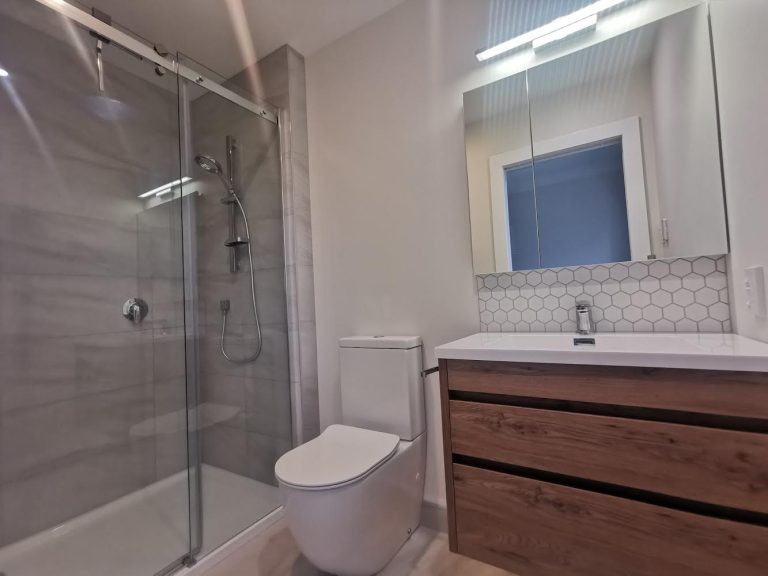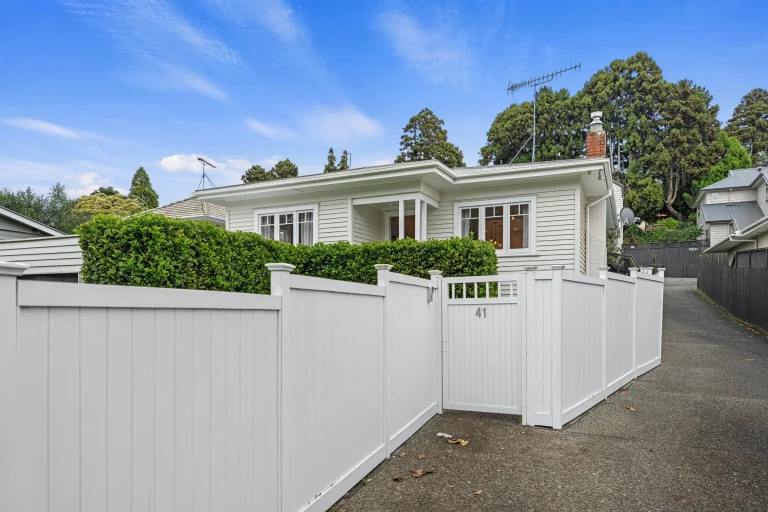
Auckland · 2026 Edition
Do You Need Building Consent to Renovate a Bathroom or Kitchen in NZ? (2026)

Most bathroom and kitchen renovations in an existing New Zealand house need no building consent, as long as you are replacing or moving fittings you already have. You need consent when you add a bathroom, toilet, basin or shower that was not there before, or when you remove a load-bearing wall.
“I was trying to understand what triggers consent. It’s hard to get an answer.” We hear that in about half of our consultations. The rules are set out in Schedule 1 of the Building Act, and they are more generous than most people expect. This guide goes through the common jobs one by one, using the Ministry of Business, Innovation and Employment’s current guidance (January 2026) and Auckland Council’s own advice.

The rule in one line
Same number of fixtures in the same house: usually no consent. One more fixture, or a structural change: consent.
A fixture here means a toilet, basin, bath, shower, sink or laundry tub. You can replace them, and in most cases move them, without a building consent, provided a licensed plumber does the plumbing. The moment you add one that was not there before, you need consent.
Bathroom jobs, one by one
| Job | Consent? | Why |
|---|---|---|
| Replace a vanity, toilet, bath or shower in the same place | No | Replacing an existing fixture |
| Move the vanity, toilet, bath or shower within the same bathroom | No | Repositioning existing fixtures in an existing bathroom |
| Move the toilet from a separate toilet room into the bathroom next door | No | Still the same number of fixtures |
| Swap a shower-over-bath for a separate shower and a new bath | No | Two fixtures before, two after |
| Replace an acrylic shower with a tiled shower | Usually no | Linings and finishes in an existing dwelling |
| Retile the walls or floor, new waterproofing underneath | No | Linings and finishes in an existing dwelling |
| Reline walls and ceiling with new plasterboard | No | Linings in an existing dwelling |
| Level-entry shower that needs the floor joists cut down | May need it | The work affects the floor structure |
| Add a basin to a separate toilet room | Yes | An extra fixture |
| Add a second toilet | Yes | An extra fixture |
| Add a new ensuite or a second bathroom | Yes | Extra fixtures and new drainage |
| Any bathroom move in an apartment that goes through a fire-rated wall or floor | Yes | It affects the building’s fire separation |
Kitchen jobs, one by one
| Job | Consent? | Why |
|---|---|---|
| New cabinets, benchtop and splashback in the same layout | No | Remodelling within the same space |
| Move the sink to another wall | Usually no | Altering existing plumbing with no extra fixture |
| Swap a gas hob for induction | No building consent | Electrical work, certified by a licensed electrician |
| Remove a timber-framed wall that is not load-bearing, not a bracing wall and not a fire wall | No | Internal walls in an existing building |
| Remove or alter an internal brick, block or concrete wall | Yes | Masonry walls are excluded from the internal wall exemption |
| Remove a load-bearing or bracing wall to open the kitchen up | Yes | Structural work, with an engineer’s design |
| Add a second kitchen or kitchenette | Yes, and check planning rules | An extra sink, and it may count as a second dwelling |
The wall is where most kitchen renovations meet the council. If you are opening a kitchen to the living room, find out early whether the wall carries load or braces the house. Our wall removal guide explains how we check, and what load-bearing wall removal involves.
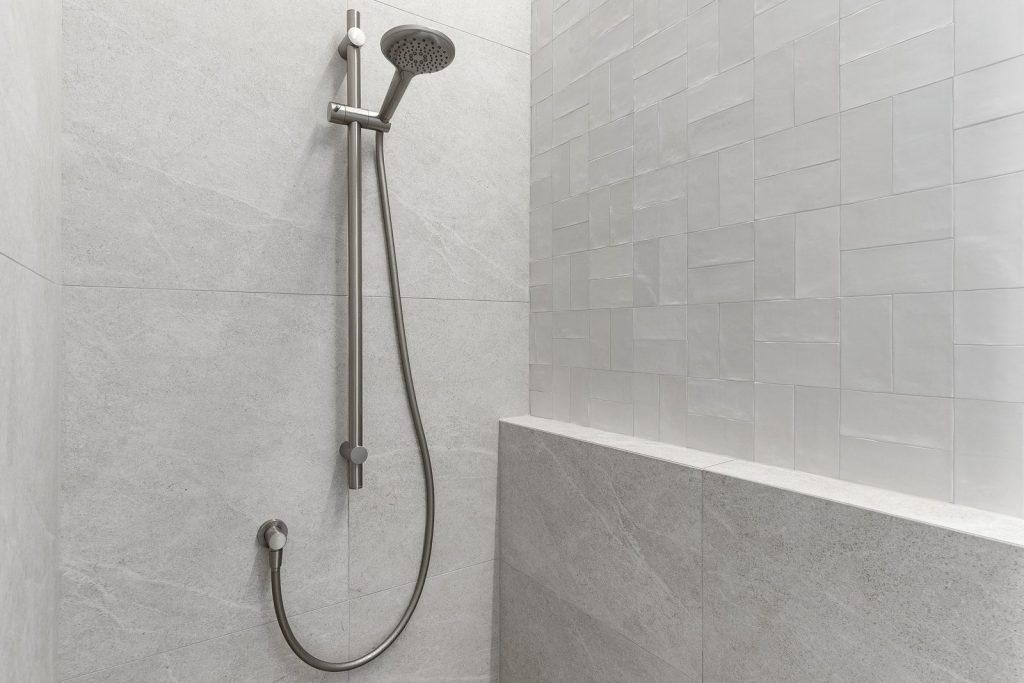
The tiled shower question
For years the common advice, including ours, was that a tiled shower often needed building consent because of the waterproof membrane under the tiles. MBIE’s guidance changed in October 2025, and in an existing house, replacing a shower or bath with a tiled shower in the same bathroom usually needs no consent. It still does if the shower is part of a new ensuite, the floor structure is cut down for a level entry, or a bracing wall loses its bracing lining.
Our tiled shower consent guide sets out the sources, what MBIE and Auckland Council told us, and how to get it in writing for your job.
If a quote includes consent for a bathroom, ask why
There are good reasons: a new ensuite, a structural change, an apartment. If the only reason given is “because the shower is tiled”, the quote is working from the old rule and you may be paying about $5,000–$7,000 and waiting weeks for something the job does not need.
What consent costs and how long it takes
When a bathroom or ensuite does need building consent, allow about $5,000–$7,000 for the drawings and Auckland Council’s fees. Structural kitchen work is similar, plus the engineer’s design.
The council has 20 working days by law to process an application, and the clock stops each time it asks for more information. Add the time to prepare the drawings before that. The council also inspects the work at set stages, and issues a Code Compliance Certificate at the end.
Our Auckland Council building consent guide covers the full process.
No consent still has rules
- The work must meet the Building Code. Exempt means you do not apply to the council. It does not lower the standard.
- Plumbing and drainage must be done by a licensed plumber or drainlayer. If it is not, the exemption does not apply.
- Electrical work needs a licensed electrician and a certificate of compliance.
- Waterproofing should be done by a trained installer who gives you a written record of the product and the areas covered.
- Keep the paperwork. Photos before the linings go on, the plumber’s and electrician’s certificates and the waterproofing record. A buyer’s lawyer will ask for them one day.
For exempt work, the owner and their Licensed Building Practitioner decide whether the job fits the exemption, and should write down why. If you want certainty from the council for your particular job, you can apply for an exemption under clause 2 of Schedule 1, or apply for consent.
What if work was done without consent?
We often meet this in houses that have just changed hands: a downstairs bathroom or a moved kitchen that never went through the council. You cannot get a building consent for work that is already finished. The council can issue a Certificate of Acceptance for work it is able to inspect, and anything it cannot verify may have to be opened up. If you are renovating anyway, that is the cheapest time to put it right. Our Remuera garage conversion project shows a downstairs space being made legal.
Bathroom and kitchen consent FAQs
Usually not, if you are replacing or moving the fixtures already in that bathroom and a licensed plumber does the plumbing. You need consent to add a toilet, basin, bath or shower that was not there before, or to change the structure.
Not when it moves within the same bathroom, or from a separate toilet room into the bathroom next to it. The plumbing must be done by a licensed plumber. In an apartment, check first whether the pipes pass through a fire-rated floor or wall.
Usually not. Replacing one existing fixture with another in the same bathroom is normally exempt, including replacing a bath with a tiled shower, provided no fixture is added and the floor structure is not altered.
No. Tiles, waterproofing and wall linings in an existing house are covered by the exemption for internal linings and finishes. The waterproofing must still meet the Building Code.
Not for new cabinets, benchtops and appliances in the same room. Moving the sink usually needs no consent either. Removing a load-bearing or bracing wall does, and so does adding a second kitchen.
About $5,000–$7,000 for the drawings and council fees when a bathroom or ensuite needs it. A like-for-like bathroom renovation normally does not.
The council has 20 working days to process it, not counting time spent waiting on questions. Allow extra time for the drawings to be prepared first.
The owner is the applicant, but your designer or builder normally prepares and lodges it for you. On our jobs we handle the drawings, the application, the inspections and the final certificate.
Not sure if your renovation needs consent?
Tell us what you are planning and we will tell you where it stands, before you pay for drawings.
Book a free phone consultation →