Auckland · 2026 Edition
Choosing the Right Undertile Waterproofing in New Zealand (2026 Guide)

Bad waterproofing is the single most common cause of bathroom failure in New Zealand homes — and it’s completely invisible once the tiles go on. Getting the membrane and the detailing right is the most important decision in any bathroom, and the one you can never see.
Most homeowners obsess over tiles and tapware and barely think about the layer underneath that actually keeps water out of the structure. This guide explains the membrane types, the NZ standard that governs them, the detailing that matters, and the questions to ask before anyone tiles.
It’s written for homeowners and builders who want to get the one hidden layer right.
Why it’s the most important layer
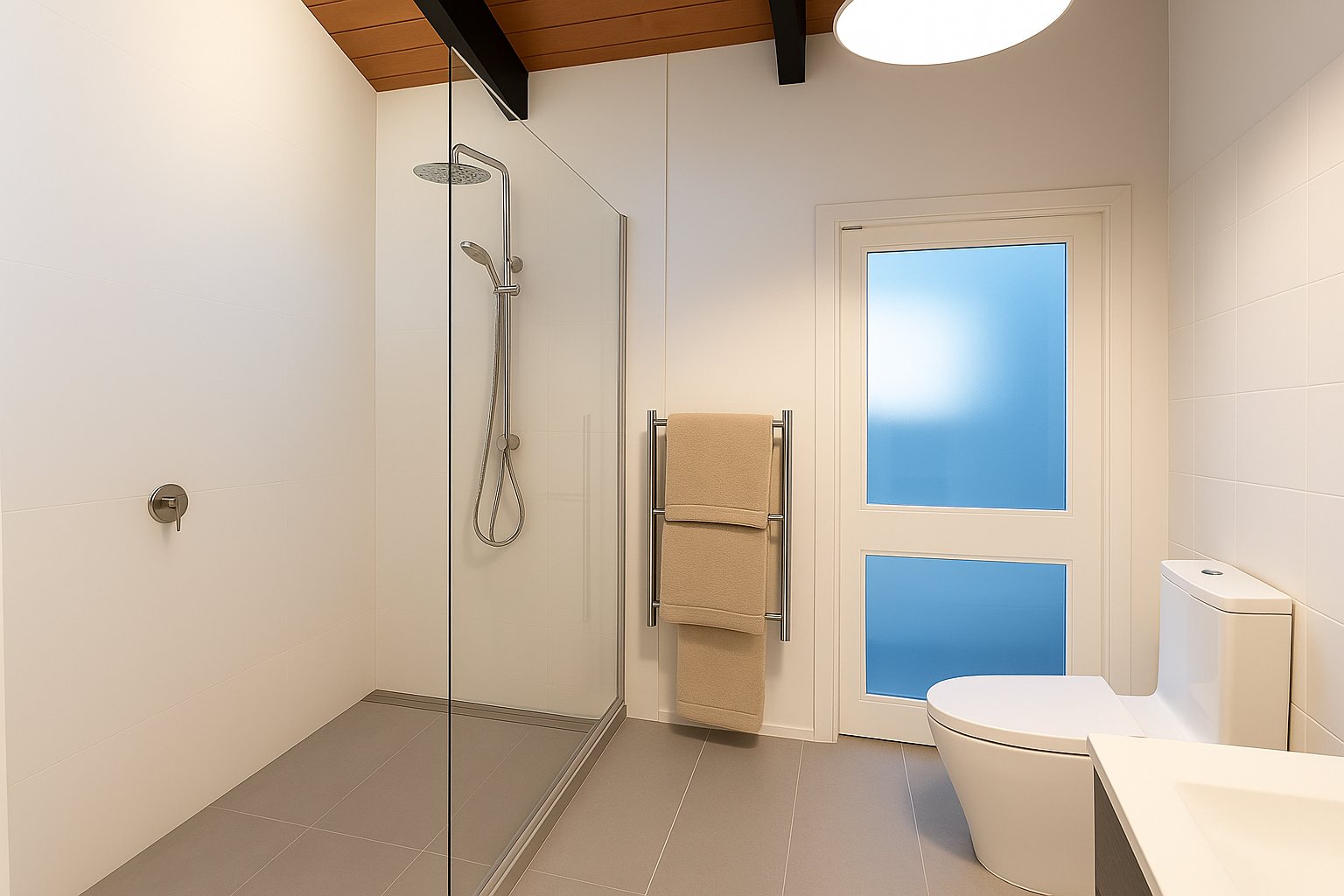
A bathroom is a wet area sitting on top of timber framing and flooring. The waterproofing membrane is the barrier between daily water and the structure. Get it wrong and water tracks into framing and subfloor, rotting them silently for years before the damage shows — by which point the fix means ripping out the whole bathroom. It’s the definition of a job worth doing once, properly.
Membrane types
| Type | How it works | Best for |
|---|---|---|
| Liquid-applied | Painted/rolled on in coats, cures to a seamless film | Most residential bathrooms; complex shapes and penetrations |
| Sheet membrane | Pre-formed sheets bonded down | Large or commercial wet areas; consistent thickness |
| Bonded/composite systems | Membrane + uncoupling layer | Over substrates prone to movement |
For most NZ home bathrooms a quality liquid-applied membrane, installed to the manufacturer’s system, is the workhorse choice.
The NZ standard
Internal wet-area waterproofing in NZ is governed by AS/NZS 4858 (the membrane material standard) and Building Code clause E3 (Internal Moisture). The membrane must be a recognised product installed as a complete system — primer, membrane, bond breakers and falls — not a single coat of whatever’s on the shelf. Restricted building work and council inspection apply where consent is required.
The detailing that matters
- Falls to the waste. The floor must slope to the drain so water can’t pond. This is built before the membrane.
- Bond breakers at floor-wall and wall-wall junctions so the membrane can move without splitting.
- Penetrations — wastes, mixers, pipes — sealed with the system’s collars, not just membrane over the top.
- Coverage height — full height in the shower, up the walls to the required height elsewhere.
- Cure time — the membrane must fully cure before tiling. Rushing this is a classic failure.
The one rule that never bends
Tiling never starts before the membrane is complete, correctly detailed, cured and (where required) inspected. If a quote or a tiler suggests otherwise, stop — that’s how the most expensive bathroom failures begin.
Questions to ask
- Which membrane system are you using, and is it AS/NZS 4858 compliant?
- Who installs it — and are they certified for that system?
- How are the floor falls and junctions detailed?
- What’s the cure time before tiling?
- Will I get producer statements / records for the waterproofing?
Undertile waterproofing FAQs
It’s the barrier between daily water and your home’s timber structure. If it fails, water rots framing and subfloor silently for years, and the eventual fix means removing the whole bathroom. It’s invisible once tiled, so getting it right the first time is critical.
Internal wet-area waterproofing is governed by AS/NZS 4858 (the membrane material standard) and Building Code clause E3 (Internal Moisture). The membrane must be a recognised product installed as a complete system, not a single ad-hoc coat.
For most NZ home bathrooms, a quality liquid-applied membrane installed to the manufacturer’s full system is the workhorse choice. Sheet membranes suit larger or commercial wet areas, and composite systems suit substrates prone to movement.
No. Tiling must never begin until the membrane is complete, correctly detailed, fully cured and — where consent applies — inspected. Rushing tiling onto an incomplete or uncured membrane is one of the most common causes of bathroom failure.
Correct floor falls to the waste so water can’t pond, bond breakers at junctions so the membrane can move, properly sealed penetrations, adequate coverage height, and full cure time before tiling. These details are where most failures originate.
Planning a bathroom or wet area?
Get an estimate, book a free consultation, or grab the homeowner’s guide.
Get an instant estimate → Book a free consultation → Download the 7 Things ebook →