Auckland · 2026 Edition
Tiled Shower vs Acrylic Shower in Auckland: Cost, Consent and Time (2026)

A tiled shower costs about $3,000–$5,000 more than an acrylic shower in an Auckland bathroom and adds one to two weeks to the job. The extra pays for the waterproof membrane, the tiler and the glass screen. In an existing bathroom it usually needs no building consent.
“Tiled or acrylic?” is the question we are asked most often about bathrooms. It came up in about a third of our consultations over the last six months, usually with the same three worries behind it: what it adds to the price, whether the council gets involved, and whether it will leak. This guide answers each one with the numbers we use on our own jobs.

The short answer
| Acrylic shower | Tiled shower | |
|---|---|---|
| Extra cost | The base price | About $3,000–$5,000 more |
| Extra time | None | 1–2 weeks |
| Building consent | Not needed to replace a shower | Usually not needed in an existing bathroom |
| What keeps the water out | A sealed one-piece tray and wall liner | A waterproof membrane under the tiles |
| Sizes and shapes | Standard sizes | Any size, with niches and seats |
| Cleaning | Wipe down, no grout | Grout lines need regular cleaning |
Prices include GST and compare the shower alone, with the rest of the bathroom the same. A standard family bathroom in Auckland runs $27,000–$40,000 fully fitted; the choice of shower moves you up or down inside that range. Our bathroom renovation cost guide has the full breakdown.
Where the extra money goes
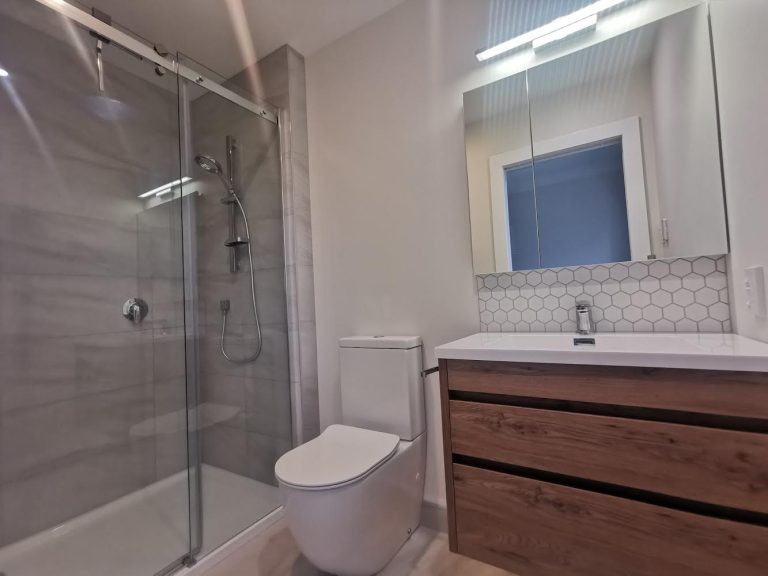
An acrylic shower arrives as a manufactured unit: a tray, wall liners and a glass door, fitted in a day. A tiled shower is built on site in layers, and each layer is a separate trade.
- The base. A tiled shower tray is formed with a fall to the waste so water runs away instead of pooling.
- Waterproofing. A membrane is applied to the shower floor and walls before any tile goes on. This layer, not the tile or the grout, is what keeps water out of your framing.
- Tiling. Wall and floor tiles, adhesive, grout and silicone at every junction.
- Glass. A tiled shower needs its own glass screen, measured and made to fit. An acrylic unit includes its door.
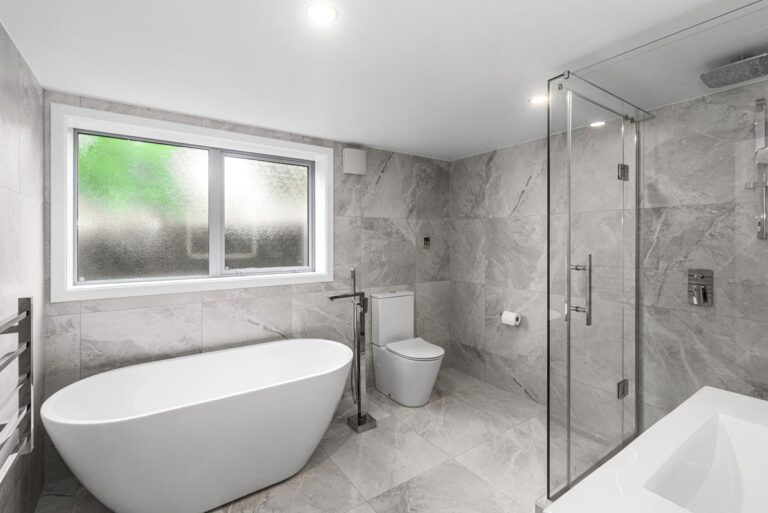
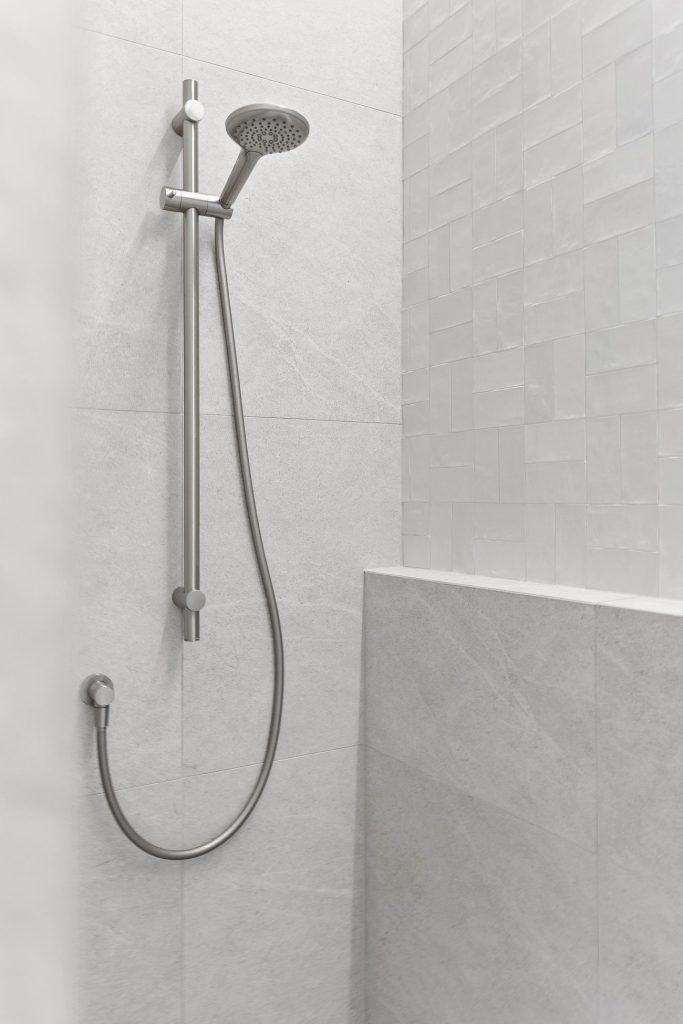
The tile you choose changes the figure more than anything else. A large-format porcelain tile at a standard price keeps you near $3,000. Stone-look feature tiles, a full-height niche or frameless glass take you towards $5,000 and beyond.
Why some quotes say $10,000
If you have been told a tiled shower adds $10,000, the quote probably includes building consent drawings and council fees. Since 2025 that is rarely needed for a shower in an existing bathroom, so check what the figure covers before you rule tiles out.
Does a tiled shower need consent?
In an existing house, replacing a shower or bath with a tiled shower in the same bathroom usually needs no building consent. The membrane, board and tiles count as internal linings, which the Building Act exempts in an existing dwelling. MBIE’s guidance changed in October 2025, so a lot of advice online and from builders is still out of date; we changed ours in November 2026.
Consent is still needed if you add a fixture (such as a new ensuite), alter the floor structure (for example cutting down joists for a level entry), take the bracing lining off a bracing wall, or work through a fire separation in an apartment. Exempt work must still meet the Building Code, and the plumbing must be done by a licensed plumber.
Our tiled shower consent guide sets out how we checked this with MBIE and Auckland Council, and how to get it in writing for your job.

Timber floors, hobs and level entry
Most Auckland villas and bungalows have timber floors, and yes, you can have a tiled shower on one. The floor needs to be stiff enough that the tiles do not crack: extra timber blocking between the joists, a sheet of plywood, then a tile underlay before the membrane goes on.
You then choose how you step in:
- A hob is a small tiled kerb, about the height of a brick. It is the simplest and cheapest option and holds water in well.
- Level entry has no step. It looks best and suits anyone planning to stay in the house into older age, but the shower floor has to sit lower than the bathroom floor so the water falls to the waste. On a timber floor that can mean altering the joists, which adds cost and can need consent.
If you want to keep a polished timber floor in the rest of the bathroom, a hob is the practical way to do it. Tell your builder early, because the floor levels have to be planned before the plumber starts.
Cleaning and upkeep
An acrylic shower has no grout. You wipe it down and that is the job done, which is why it suits rentals and busy family bathrooms. Its weak point is the surface: it can scratch and dull over the years, and a cracked tray means replacing the unit.
A tiled shower asks more of you. Grout lines hold soap and need a regular scrub, and silicone at the corners should be checked and renewed when it starts to lift. In return, a well-built tiled shower can be repaired a piece at a time and does not date the way a moulded unit does. Large tiles mean fewer grout lines, which is the easiest way to cut the cleaning.

Which one suits your house
| Your situation | What we usually suggest |
|---|---|
| A rental | Acrylic. Lowest cost, quickest to fit, easiest for tenants to keep clean. |
| Selling in the next year | Acrylic in a second bathroom; tiled in the main bathroom or ensuite if the rest of the house is finished to that level. |
| Your own home for ten years or more | Tiled, if the budget allows. You get the size and layout you want. |
| An awkward space or a sloping ceiling | Tiled. It is built to fit; acrylic units come in set sizes. |
| Planning to stay into older age | Tiled with level entry and a seat. |
| A tight budget | Acrylic now. The plumbing position stays the same, so tiling later is possible. |
See how a finished one looks in our Remuera bungalow ensuite project, or browse walk-in showers and wetrooms.
Tiled vs acrylic shower FAQs
About $3,000–$5,000 including GST for a standard-size shower in an Auckland bathroom. The extra covers the tiled base, the waterproof membrane, the tiling and a separate glass screen. Premium tiles or frameless glass cost more.
Usually not, when it replaces a shower or bath in the same bathroom of an existing house. Consent is needed if you add a fixture, alter the floor structure, affect a bracing wall, or work through a fire separation in an apartment. The work must still meet the Building Code.
One to two weeks longer than an acrylic shower. The membrane has to cure before tiling, and the glass screen is measured after the tiles are finished and then made to order.
Yes. The floor is stiffened with extra blocking and plywood, then a tile underlay and a waterproof membrane go down before the tiles. A level-entry shower on a timber floor is harder, because the floor has to be lowered.
A tiled shower leaks when the membrane underneath has failed or was never applied properly. Tiles and grout are not waterproof by themselves. Use a trained waterproofing installer and keep the written record of the system they used.
Yes. A good acrylic shower is watertight, easy to clean and costs less. Its limits are the set sizes and a surface that can scratch over time. Many of our clients choose acrylic for a second bathroom and tiles for the ensuite.
You can, and it lets you shop around. Order 10–15% extra for cuts and breakages, and check with your builder first that the tile suits a wet area and the adhesive being used.
Want a price for your own bathroom?
Answer a few questions and get a ballpark online in minutes, tiled or acrylic. No phone call needed.
Get an instant estimate →