
Auckland · 2026 Edition
Can You Live in the House During a Renovation? Stay, Stage or Move Out (2026)

You can usually stay home for one bathroom, a kitchen, or a job kept to one part of the house, but for a full-home renovation moving out is normally the faster choice and often the cheaper one overall. A furnished family rental in Auckland typically runs $3,000–$8,000 a month, and a major build with the family living in it typically takes 20–30% longer on site.
“Can we stay?” came up in 20 of the 69 consultations we reviewed for this guide, and “can we do it in stages?” in 24. One couple put the worry plainly: “If we have to move out, we may as well buy a house that’s ready to go.” This guide sets out when staying works, when it does not, and how to stage a job so you do not pay for the same work twice.
The short answer, job by job
Three things decide it: whether you still have a working toilet and shower, whether you can cook, and whether the work can be closed off from the rooms you sleep in.
| The job | Our usual answer | What the household lives without |
|---|---|---|
| One bathroom, and it is the only one | Stay with planning, or move out while it is on site | No shower or bath in the house, and at times no toilet |
| A second bathroom or ensuite | Stay | One bathroom. Everyone shares the other |
| Kitchen | Stay with planning | Sink, cooktop, oven and bench space. You cook from a temporary set-up in another room |
| Kitchen plus bathroom | Stay with planning if another bathroom still works. If not, move out | Cooking and one bathroom at the same time |
| Full home | Move out. Staging is the alternative | Kitchen, bathrooms, floors and power, room after room |
| Extension | Stay with planning | Part of the section, then the rooms that join the new part while the two are connected |
“Stay with planning” means it works if the temporary arrangements are agreed before the job starts.
When it is your only bathroom
This is the hardest small job to live through. Once the old bathroom is stripped out there is no shower, and the toilet is out of use for at least part of the work.
Most Auckland bathroom renovations take 3–5 weeks on site once the materials are on hand. A tiled shower adds one to two weeks over an acrylic one. Plan to be without the room for the time the job is on site.
What makes it workable:
- Have everything on hand first. Tiles, vanity, tapware and shower should be chosen and delivered before strip-out (when the old room is taken back to the framing). Late selections are the most common avoidable hold-up.
- Sort out the toilet before day one. Ask your builder how long it will be disconnected and whether a temporary one can be provided.
- Line up showers. Family, a neighbour, the gym or the pool.
- Think about going away. A holiday or a stay with family is best booked for these weeks.
A separate toilet that is not part of the job makes staying much easier.
Living without a kitchen
Most people stay home through a kitchen renovation. You will be without a working kitchen for a few weeks while the job is on site. How many depends on the size of the job: a cosmetic refresh is far quicker than a kitchen where walls, plumbing or wiring move.
The long wait is before anyone arrives. Custom cabinetry takes four to eight weeks to make once your design is locked in, and your old kitchen can stay in use for that time. Ask for the strip-out date to be tied to the cabinetry delivery date.
Set up a temporary kitchen in another room before the old one comes out:
- the fridge, a microwave and a kettle;
- somewhere to wash dishes, such as the laundry tub;
- the barbecue, if you have one;
- a bit more in the food budget for takeaways.
Full home: stay, stage or move out
A full-home renovation takes the kitchen, the bathrooms, the floors and the wiring out of use, and it runs for months, not weeks. For a job like that, temporary accommodation is usually necessary to avoid disruption and safety risks. You have three choices.
| Stay through it | Stage it | Move out | |
|---|---|---|---|
| How it works | The whole job runs around you | The house is split into parts. You live in one while the other is built | The house is handed over empty |
| Time on site | Typically 20–30% longer than an empty house | Longest overall, because the job is set up and finished more than once | Shortest |
| What it costs you | No rent, but a longer build | No rent, but usually more in total than one job | Rent, typically $3,000–$8,000 a month for a furnished family home |
| What it is like | Dust, noise and temporary services every day | Half a house, with a working kitchen and bathroom | A normal life somewhere else, and visits to site |
The rent figures are rents, not building prices. They sit outside your building contract, so add them to your budget as a separate line.
Why staying costs more than it looks. Trades work around your family and your day, temporary services have to be kept going, and decisions get made in a hurry because everyone wants it over. That is where the extra time on site comes from. We cover it in why renovation budgets blow out.
Why moving out is often cheaper overall. The rent is a cost you can see, so it feels like the expensive choice, but it is often less than the cost of a slower, occupied build. You are not cut off from the job either: the programme, daily updates and photos stay visible, as described in how we manage your renovation.
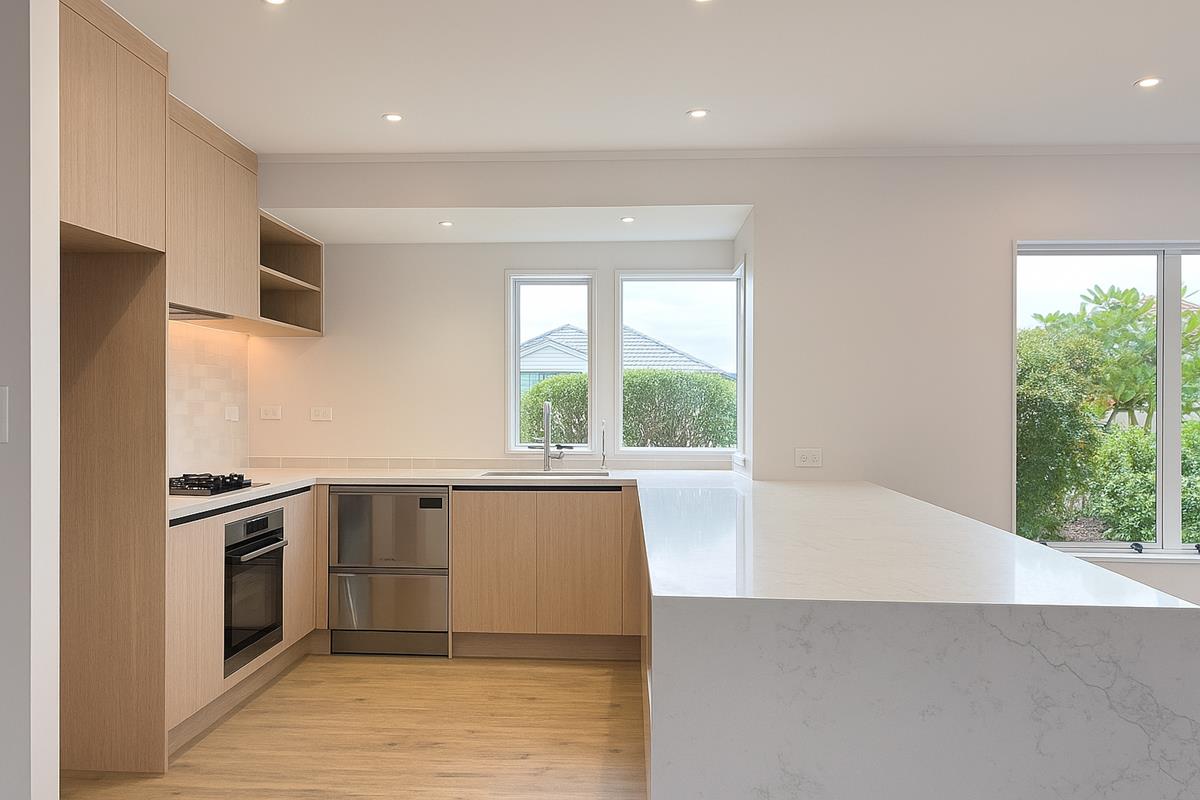
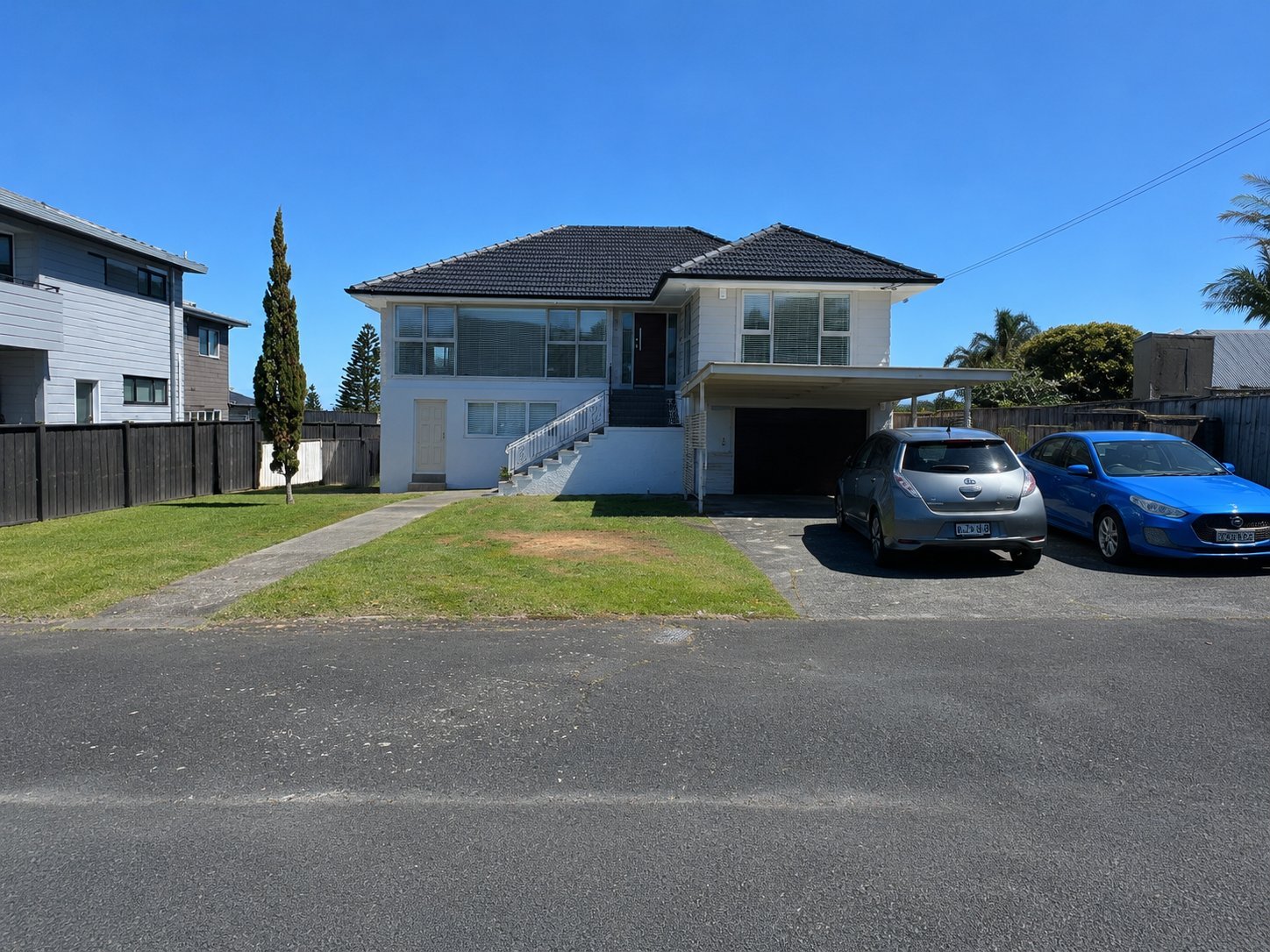
“Are you okay if we stay on site, downstairs?” Sometimes, yes. It can work when one level has its own bathroom, somewhere to cook and its own way in, and none of the work passes through it. That is really a staged job, covered next. Our full home renovation guide explains what a whole-house job involves.
Ring your insurer first
Tell your house insurer before the work starts, and before the house is left empty. Ask what cover applies during the work, and get the answer in writing.
Staging without paying twice
Staging means building the job in two or more parts, so you can live in one part of the house or spread the cost. One client asked for exactly the right thing: “two phases without double-paying for any work.”
Staging usually costs more in total than doing everything at once, because the builder sets up and brings each trade back more than once. What you can avoid is the worse cost: paying for work in stage one, then pulling it apart in stage two.
The rule is simple. Design the whole house once, then do the work that runs through the whole house once.
| Work | When | Why |
|---|---|---|
| Wiring and switchboard | Once, in stage one | Cables run through walls and ceilings across the house. Run the stage-two cables while the linings (the plasterboard) are off |
| Plumbing and drains | Once, in stage one | Pipes for a later bathroom or kitchen are run and capped off now, so finished floors and walls are not cut open later |
| Floors | Once, where one floor runs through several rooms | One floor done in one go avoids a join between old and new part-way through the house |
| Painting, wardrobes, built-in joinery | Can wait, room by room | Nothing else depends on them |
| Fitting out a later bathroom | Can wait, if its pipes and wiring are already in | The hidden work is done; only the visible part is left |
Then set up each stage so finished rooms are not reopened:
- Draw the line at a wall or a door, not through the middle of a room, so each stage can be closed off and finished.
- Keep a working kitchen and bathroom on your side of the line at every stage.
- Plan the trades’ way in. Stage two should not be carried through the rooms finished in stage one.
- Have the whole job priced, split by stage, before stage one starts.
We plan the staging around your situation at the design stage. Our week-by-week renovation timeline shows the order the work happens in, which helps when deciding where the line between stages goes.
Children, pets, working from home, dust and asbestos
Children. A building site has open floors, tools and power leads. If you stay, agree before the job starts how the work area will be shut off from small children.
Pets. Doors and gates are open while trades come and go, and some animals are stressed by the noise. Plan somewhere else for pets on the loudest days.
Working from home. Demolition, cutting and nailing are loud and do not stop for video calls. Ask for notice of the heavy days and plan to work elsewhere on them.
Dust. Ask how the work area will be sealed off from the rooms you are living in, how the floors on the way through will be protected, and how the site is left at the end of each day.
Asbestos. Older Auckland homes can have asbestos in linings and floor coverings. If asbestos is found or has to be removed, the affected area is closed off and nobody lives in it until it has been cleared. Allow for that if you are staying in an older house.
Rentals: can tenants stay?
“Can the tenants stay?” is a question landlords ask us. On the building side the answer is the same as for an owner: it depends on whether the house still has a working bathroom and kitchen and whether the work can be closed off.
The tenancy side is not ours to answer. A landlord must talk to the tenant and check their obligations with Tenancy Services before any work starts. Do that first, then book the builder.
See two finished whole-house jobs: our Blockhouse Bay award-winning renovation and our Mt Roskill full home renovation.
Living in the house during a renovation: FAQs
For a full-home renovation, often yes. A furnished family rental in Auckland typically costs $3,000–$8,000 a month, but a major build with the family living in it typically takes 20–30% longer on site, which often costs more than the rent saved. For one bathroom or a kitchen, most people stay.
Plan for the time the job is on site, which is 3–5 weeks for most Auckland bathroom renovations once materials are on hand. A tiled shower adds one to two weeks over an acrylic shower.
A few weeks, while the job is on site. A cosmetic refresh is much quicker than a kitchen where walls, plumbing or wiring move. Custom cabinetry takes four to eight weeks to make, but your old kitchen stays in use during that time.
Yes, and with two bathrooms it means one is always working. For a whole house it usually costs more in total. Plan the wiring, plumbing and floors for the whole house first, so finished rooms are not reopened.
Usually, yes. The builder sets up and brings each trade back more than once. Keep the extra down by designing the whole job at the start and doing the wiring, plumbing and floors once.
Only your insurer can tell you that. Tell them before the work starts and before the house is left empty, and ask what cover applies during the work.
On the building side it depends on the job: tenants need a working bathroom and kitchen and the work must be closed off from where they live. On the tenancy side, the landlord must talk to the tenant and check their obligations with Tenancy Services before work starts.
Not sure whether to stay or move out?
Tell us about the house and the job on a 30-minute phone call and we will talk through how it could run.
Book a free phone consultation →