Auckland · 2026 Edition
Auckland Home Renovation Timeline: What to Expect Week-by-Week (2026)

From the first site visit to the final handover, here’s what actually happens during an Auckland home renovation — week by week — so nothing catches you off guard. The construction phase alone typically runs 12–28 weeks, inside a 9–18 month total for a full home.
Knowing the sequence removes most of the stress of a renovation. This guide walks the journey stage by stage — what’s happening on site, what you’ll be asked to decide, and where the natural pinch points are.
It’s the rhythm of the programmes we run across Auckland.

Before site: design & consent
Months before any demolition, the groundwork is laid: brief and concept design, detailed drawings and engineering, a costed plan, the building consent application, and ordering long-lead items. For a full home renovation this front end runs roughly 3–6 months — and getting it right is what makes the build run smoothly.
On-site, week by week
| Stage | Typical weeks | What happens |
|---|---|---|
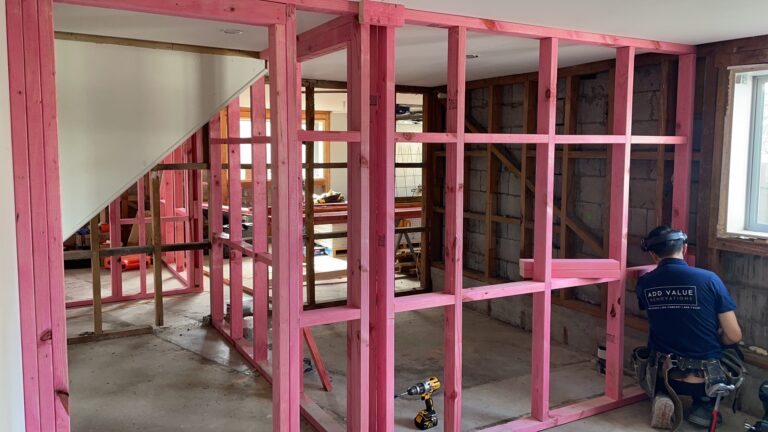
| Set-up & demolition | Weeks 1–2 | Site protection, scaffolding, strip-out of areas being renovated. |
| Structure & foundations | Weeks 2–5 | Foundations, structural changes, framing for any new space. |
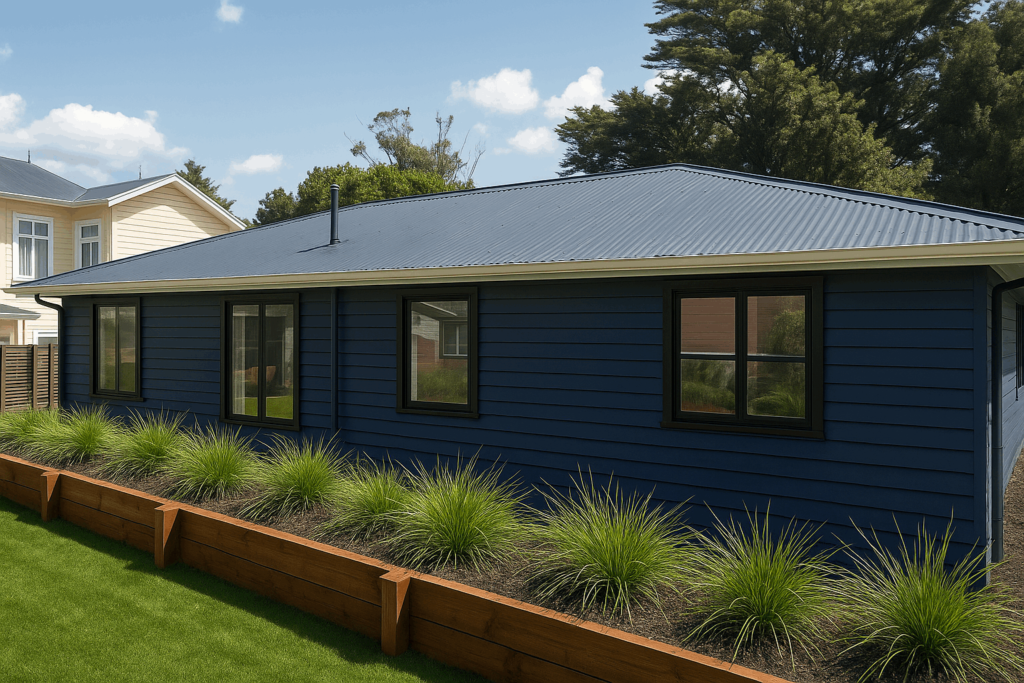
| Roof & close-in | Weeks 4–8 | Roof, windows, cladding — the home becomes weathertight (“closed in”). |
| Services rough-in | Weeks 6–10 | Electrical, plumbing, HVAC roughed in; council inspections. |
| Insulation & lining | Weeks 9–12 | Insulation, GIB, stopping — rooms take shape. |
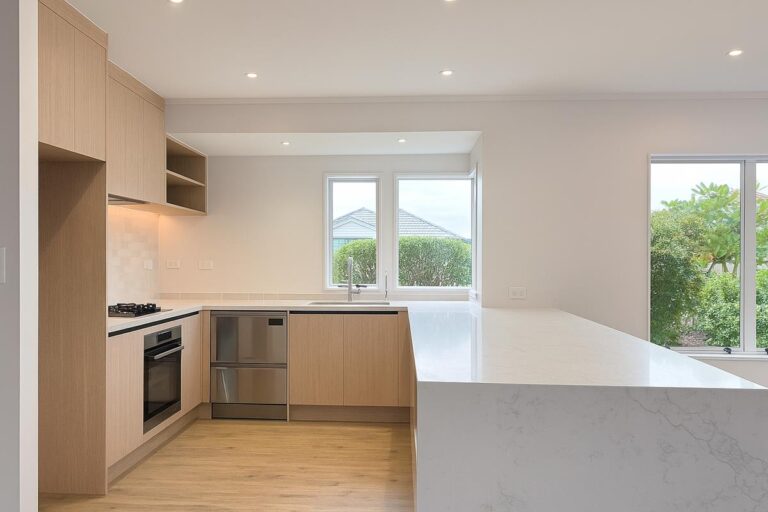
| Fit-out & finishes | Weeks 11–22 | Kitchen, bathrooms, joinery, flooring, tiling, paint. |
| Exterior & landscaping | Weeks 18–24 | Decks, paths, painting, final exterior works. |
| Completion & CCC | Weeks 24–28 | Final inspections, Code Compliance Certificate, snag list. |
Weeks overlap and vary by scope — a single-room renovation compresses this; a full home or extension stretches it.
What you’ll decide and when
- Before site: layout, finishes schedule, kitchen and bathroom selections, tapware, tiles, appliances. Lock these early — late changes cost time and money.
- During close-in: confirm any final positions for power points, lighting and plumbing fixtures.
- During fit-out: sign-off on joinery, paint colours and finishes.
The decisions that cause delays
Late selections — especially tiles, tapware and appliances with long lead times — are the most common avoidable hold-up. Decide and order these at design stage, not when the tiler is on site.
Handover & CCC
At the end, the council carries out final inspections and issues the Code Compliance Certificate (CCC). We resolve the snag list, hand over manuals and warranties, and your project is covered by the 10-Year Master Builder Guarantee. That’s when you move back into a finished, compliant home.
Tips to keep it on track
- Make your selections before site starts.
- Keep one clear line of communication with your project manager.
- Expect and budget for some hidden-issue time in older homes.
- Resist mid-build scope changes — they ripple through the whole programme.
Renovation timeline FAQs
For a full home renovation the on-site construction phase typically runs 12–28 weeks, inside a 9–18 month total once design and consent are included. Single rooms compress this; extensions and heritage homes extend it.
Site set-up and demolition come first — protection, scaffolding and strip-out — followed by foundations and structural work, then roof and close-in to make the home weathertight, then services rough-in, lining, fit-out and finishes.
Lock your major selections — layout, kitchen and bathroom finishes, tapware, tiles and appliances — before site starts. Late selections, especially long-lead items, are the most common avoidable cause of delays.
Close-in is the point where the roof, windows and cladding are complete and the home is weathertight, so interior work can proceed protected from the weather. It’s a key milestone in the build sequence.
A Code Compliance Certificate is issued by the council after final inspections confirm the work meets the building consent and the Building Code. It’s the formal sign-off that the renovation is complete and compliant, and it matters for insurance and resale.
Make selections before site starts, keep one clear line of communication with your project manager, budget time for hidden issues in older homes, and avoid mid-build scope changes, which ripple through the whole programme.
Want to know how your project will run?
Get an estimate, book a free consultation, or grab the homeowner’s guide.
Get an instant estimate → Book a free consultation → Download the 7 Things ebook →