Auckland · 2026 Edition
Ponsonby Villa Renovations: The Complete 2026 Guide for Auckland Character Homes

Renovating a Ponsonby villa typically runs $400,000 – $1.5 million-plus in 2026, depending on the villa’s condition, the depth of heritage restoration required, and whether you’re combining the renovation with a rear extension. Ponsonby villas are some of the most rewarding — and most challenging — renovations in Auckland. Heritage overlays restrict what can change. Original construction (often 1880s–1910s) hides asbestos, borer-damaged timber, and outdated services. Tight sites and narrow access streets add labour cost. But done right, a Ponsonby villa renovation produces some of the highest-value homes in inner Auckland.
- What makes Ponsonby villa renovations so challenging
- What does it really cost to renovate a Ponsonby villa in 2026?
- How to blend modern living with heritage character
- The smart way to navigate a Ponsonby villa renovation
- Ponsonby villa renovation FAQs
- Ready to reimagine your Ponsonby villa?
- The 7 things most Auckland families only learn after they've signed
What makes Ponsonby villa renovations so challenging
Renovating a Ponsonby villa isn’t like updating a modern home. These properties — typically built between 1880 and 1915 — come with unique architectural details and equally unique renovation hurdles.
Heritage and Special Character overlays
Most of Ponsonby sits inside the Auckland Unitary Plan Special Character (Residential) overlay, with some streets and individual buildings under Historic Heritage scheduling. Practical effect:
- Alterations to the street-facing elevation require resource consent and must be sympathetic to the era (window joinery, cladding, roof pitch, verandah detail)
- Demolition of any pre-1944 building requires resource consent — even partial demolition
- Resource consent processing for heritage work typically takes 12 – 20 weeks compared to 6 – 10 weeks for non-heritage work
- Heritage assessment reports cost $3,000 – $8,000 on top of normal design fees
Original construction issues
- Asbestos in textured ceilings, vinyl flooring, fibrolite cladding, and pipe lagging — testing is mandatory before any work disturbing pre-2000 materials
- Borer-damaged kauri and rimu in floor joists, wall studs, and ceiling rafters — common in 100+ year-old timber
- Outdated wiring (often original rubber-insulated cabling) and unprotected fuse boards that need full replacement
- Lead paint on original timberwork — adds cost for safe stripping and disposal
- Failed plumbing — galvanised steel water lines and earthenware drainage usually need replacement during a major renovation
Structural quirks
Uneven floors, sagging roofs, settled foundations, and original concrete piles past their useful life are common in Ponsonby villas. Full structural assessments — and often re-piling — are necessary. Budget $25,000 – $80,000 for a full re-pile on a typical Ponsonby villa.
Tight sites and narrow access
Ponsonby sections are compact (often 400–700m²) with narrow streets and limited on-street parking during construction. Material delivery, waste removal, and scaffold setup all take longer and cost more than equivalent work in suburban Auckland. Expect 10 – 15% loading on labour costs purely for site access difficulty. See our property boundary guide for the rules that apply when working tight to side boundaries.
What does it really cost to renovate a Ponsonby villa in 2026?
Why villa work commands a premium:
- Specialist trades — joiners who can replicate sash windows, plasterers who can restore decorative ceilings, painters who can refinish 100-year-old kauri
- Hidden surprises — allocate 20 – 25% contingency for unexpected structural decay, asbestos discovery, and re-piling
- Heritage compliance — additional consent fees, heritage reports, and longer council timelines
- Material sourcing — matching original profiles (sash windows, finials, fretwork, kauri flooring) takes time and costs more than standard contemporary equivalents
Simon’s Insight: “These are not budget renovations. You’re investing in craftsmanship and longevity — and the lifestyle value of a truly special home.”
— Simon Liu, Founder, Add Value Renovations
Simon’s Insight: “These are not budget renovations. You’re investing in craftsmanship and longevity — and the lifestyle value of a truly special home.”
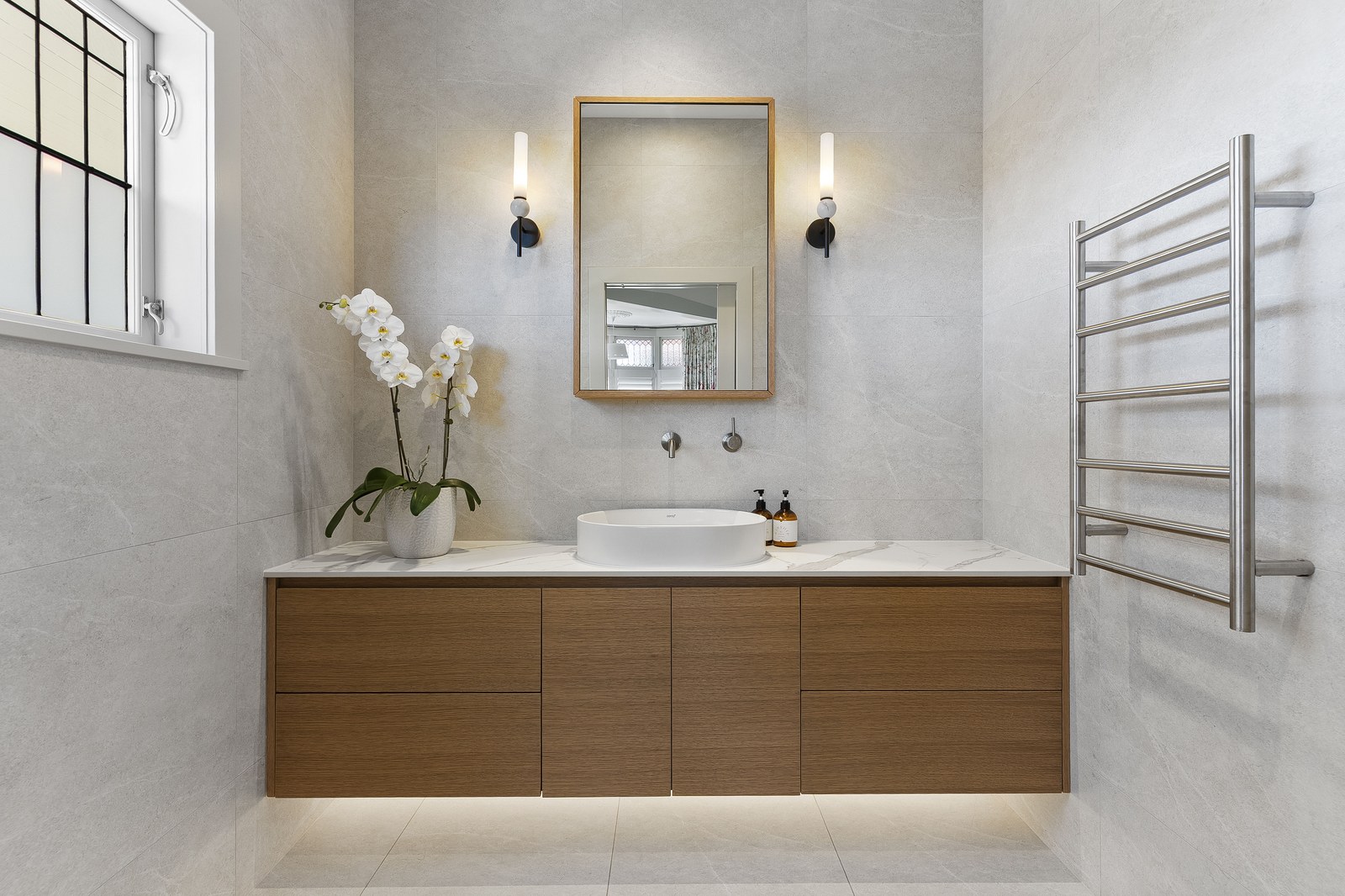
How to blend modern living with heritage character
A great Ponsonby renovation respects the villa’s history while making it liveable for today.
- Preserve original details: Retain and restore decorative ceilings, kauri timber floors, sash windows, lobby tiling, and original fireplaces. These add lasting charm and market value.
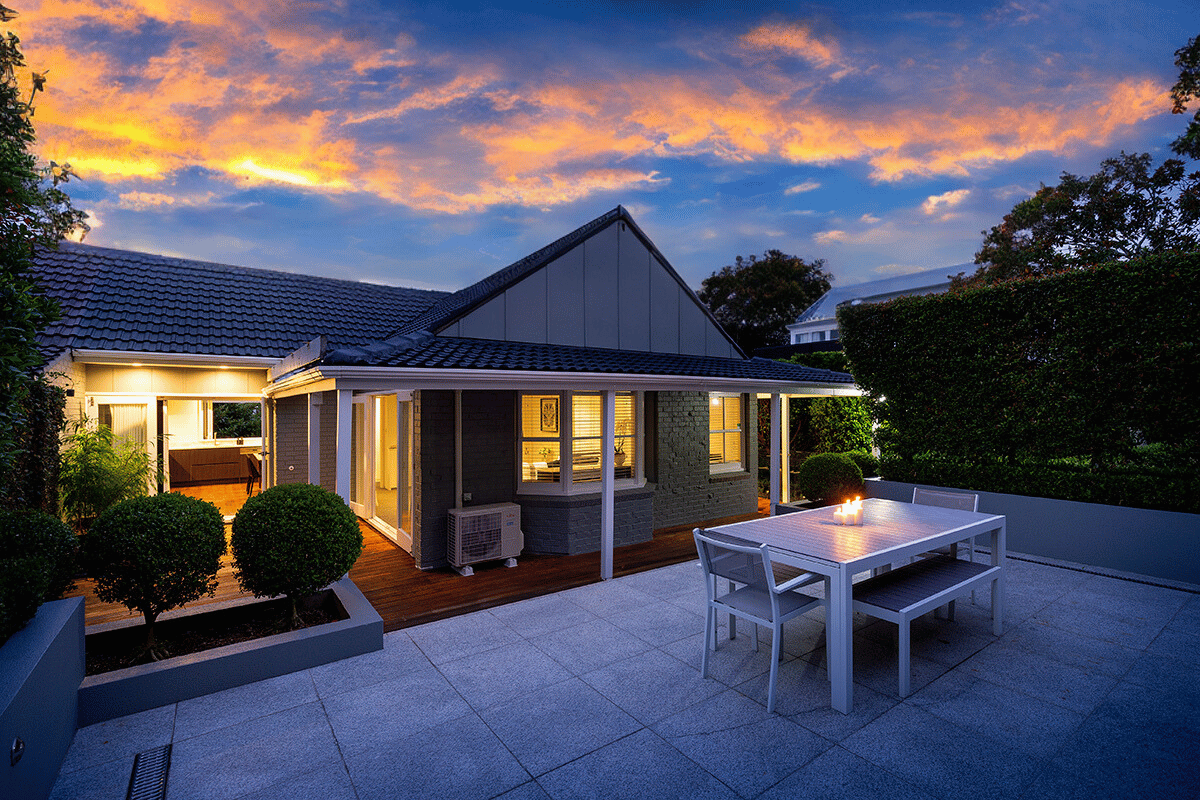
- Improve indoor-outdoor flow at the rear: The street-facing facade must usually stay as-is, but the rear is where the renovation creativity happens. Replace closed rear walls with bifold or sliding doors. Add a rear extension if the section allows.
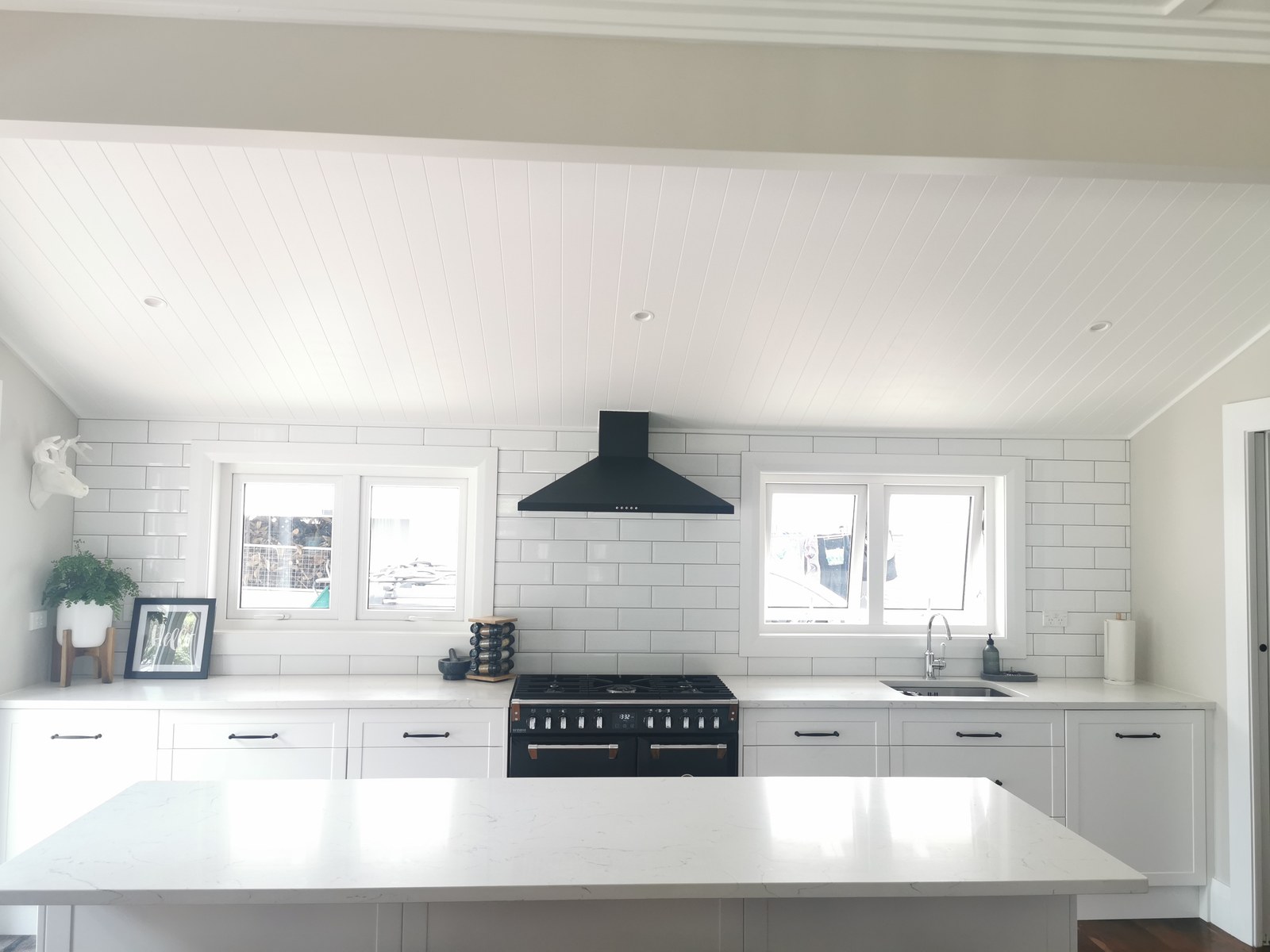
- Modernise the wet zones with sensitivity: New kitchens, bathrooms, and open-plan living can work beautifully when materials and colours harmonise with the villa’s era — natural timber, brass or matte black fittings, large-format tiles in subdued tones.
- Increase light without losing soul: Skylights over hallways and stair voids, larger rear windows, and internal reconfiguration help brighten the typical villa’s central darkness.
- Upgrade thermal performance: Underfloor and ceiling insulation, double-glazed sash window replacements (yes, you can have double-glazed sash), and modern heat pumps transform liveability without affecting heritage character.
Simon’s Insight: “It’s not about erasing history — it’s about writing the next chapter.”
— Simon Liu, Founder, Add Value Renovations
Simon’s Insight: “It’s not about erasing history — it’s about writing the next chapter.”
The smart way to navigate a Ponsonby villa renovation
- Build your team early. You need a designer who understands special character overlays, possibly a heritage consultant, and a builder with proven villa experience. See our architect vs designer vs draftsman guide to choose the right design lead.
- Order a LIM and Property File first. Auckland Council records show what’s been consented, what’s outstanding, and any compliance issues you’ll inherit.
- Get a pre-purchase moisture and structural inspection if you’re buying. Hidden damage in a Ponsonby villa can easily add $100K+ to your renovation budget. Better to know before you commit.
- Plan for the unexpected. Budget structural fixes and a generous contingency. Set realistic timelines — a substantive Ponsonby villa renovation typically takes 8 – 14 months from kick-off to handover.
- Use a fixed-price design-and-build contract. Open-ended charge-up arrangements on heritage work are how budgets get lost.
- Consider recladding if relevant. Some Ponsonby villas (and inner-Auckland 1980s/90s plaster homes) have weathertightness issues — see our recladding guide.
Simon’s Insight: “Villa renovations work best when everyone on the project respects the home and the process.”
— Simon Liu, Founder, Add Value Renovations
Simon’s Insight: “Villa renovations work best when everyone on the project respects the home and the process.”
Ponsonby villa renovation FAQs
How much does a Ponsonby villa renovation cost in 2026?
Typical 2026 Ponsonby villa renovation budgets: kitchen and bathroom refresh $120K – $220K; major renovation with repipe and rewire $220K – $400K; full home renovation (down to studs) $600K – $1.2M; full renovation plus rear extension $900K – $1.5M+. Heritage facade restoration on top of any of these adds $50K – $200K depending on scope.
Why are villa renovations more expensive than modern home renovations?
Four reasons: specialist trades who can work with 100+ year-old materials (joiners, plasterers, restorers); hidden discoveries during the build that drive 20–25% contingency spend (asbestos, borer, re-piling, failed services); heritage compliance costs (resource consent, heritage reports, longer council timelines); and material sourcing — matching original profiles like sash windows or kauri flooring costs significantly more than contemporary alternatives.
Do I need resource consent to renovate a Ponsonby villa?
For most exterior work, yes. Almost all of Ponsonby sits under the Auckland Unitary Plan Special Character (Residential) overlay, and some buildings are scheduled as Historic Heritage. Alterations to the street-facing elevation, demolition of any pre-1944 element, and additions visible from the street typically require resource consent. Interior renovations and rear-only extensions are usually less restricted but still need building consent.
How long does a Ponsonby villa renovation take?
From kick-off to handover, plan on 8 – 14 months for a substantial Ponsonby villa renovation. The breakdown: 6 – 10 weeks design and consent drawings, 12 – 20 weeks resource consent processing (longer than non-heritage work), 16 – 28 weeks construction (including any re-piling and major remediation), plus 2 – 4 weeks for CCC and handover.
Will I find asbestos in my Ponsonby villa?
If renovations were carried out between roughly 1950 and 2000, almost certainly yes. Common locations: textured “popcorn” ceilings, vinyl floor tiles, fibrolite cladding patches, pipe insulation, and behind kitchen splashbacks. Pre-renovation asbestos testing is required, costing $300 – $800. Safe removal (where positive) adds $2,000 – $20,000 depending on extent and access.
Does my villa need re-piling?
Often yes for 100+ year-old villas. Original concrete or wooden piles can settle, rot, or fail. Signs include uneven or sloping floors, cracks in plaster walls, and doors that won’t close properly. A structural engineer’s assessment ($1,500 – $3,000) confirms whether re-piling is needed. Full re-piling on a typical Ponsonby villa costs $25,000 – $80,000 depending on access and house size.
Can I add a second storey to a Ponsonby villa?
Sometimes, but it’s complex in Ponsonby. The Special Character overlay restricts changes visible from the street, the Height in Relation to Boundary rules limit how tall you can build near boundaries, and the existing villa structure rarely supports a second floor without significant reinforcement. Many Ponsonby families instead extend at the rear, where heritage rules are less restrictive.
How can I improve insulation and warmth in a Ponsonby villa?
The three highest-impact upgrades: ceiling insulation (R5.0+ glasswool in the roof space — $4K – $8K), underfloor insulation (R2.0 polyester or polystyrene under the joists — $5K – $10K), and double-glazed sash window replacements that preserve the heritage look but transform thermal performance ($30K – $70K depending on number of windows). Modern heat pumps and a ducted central heating system complete the package.
Ready to reimagine your Ponsonby villa?
A Ponsonby villa renovation is about more than updating a home — it’s about preserving a legacy while making it fit for the next generation. At Add Value Renovations, we specialise in character homes and have deep experience with the heritage and structural demands of Ponsonby properties.
Want to explore what your villa could become?
Let’s bring your vision to life — and write your home’s next chapter.
The 7 things most Auckland families only learn after they’ve signed
Insider knowledge from 25+ years of Auckland renovations — the 7 things experienced renovators have learnt, condensed into a short guide you can read in 15 minutes. Save yourself the expensive lessons.
Renovate your Ponsonby character home
Three ways to move forward — an instant estimate, a free on-site consultation, or our renovation ebook.
Get an instant estimate → Book a free consultation → Download the 7 Things ebook →