Auckland · 2026 Edition
Granny Flat Consent Exemption NZ: The 70m² Rule in Force — and What’s Changing Next (2026)

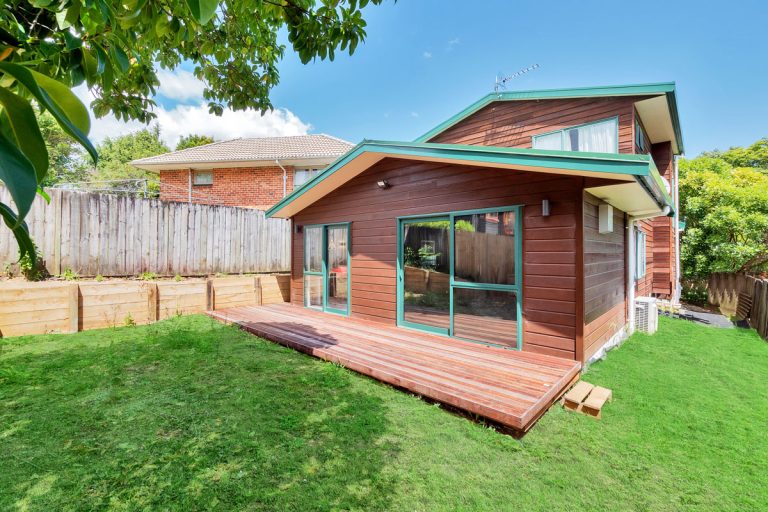
Since 15 January 2026 you can build a standalone granny flat up to 70m² without a building consent. The Building and Construction (Small Stand-alone Dwellings) Amendment Act 2025 replaced the consent process with a faster notification process — and in April 2026 the Government announced it’s going further, allowing off-site builds and new panel materials later this year.
This guide is written from the design-and-build coalface: what the exemption actually lets you build, the PIM paperwork you still have to file with Auckland Council, what it saves you in real dollars, the design traps that disqualify a build, and the changes coming in Q3 2026. It’s the same checklist we run on every AVR granny flat enquiry.
The exemption in one paragraph
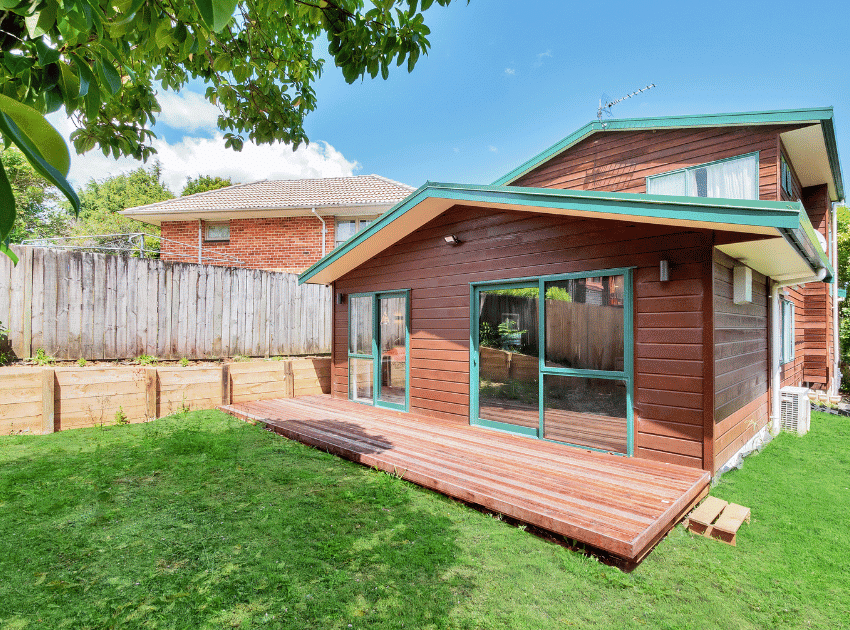
A new, single-storey, freestanding dwelling up to 70m², built with lightweight framing and roof and set back at least 2m from boundaries and other buildings, can now be built without a building consent. The Building Code still has to be met in full. A Licensed Building Practitioner (LBP) must do or supervise the work. Council still has to issue a Project Information Memorandum (PIM) before you start, and receive notification when you finish. Restricted Building Work (RBW) rules still apply. Resource consent is separately exempt for one minor residential unit per site under the new National Environmental Standard — but boundary setbacks and zoning still matter.
What you can build under the exemption
To qualify under Schedule 1A of the Building Act 2004, the dwelling must tick every one of these boxes:
- Floor area: 70m² maximum (including any internal garage)
- Single storey: no two-level granny flats, no mezzanines that count as a second storey
- Standalone: not attached to the main house — must be a separate building
- Height: 4m maximum from floor level to highest point
- Setback: 2m minimum from any boundary and from any other building on the site
- Framing & roof: lightweight steel or timber frame; lightweight roof cladding (no concrete tiles or heavy masonry)
- Bathroom: no level-entry shower requiring a waterproof membrane — the design must use a tray or threshold (the part most clients miss)
- Plumbing & drainage: simple system connected to public stormwater and wastewater, or a compliant on-site system
- Site: not on land subject to natural hazards unless protective measures are in place
- Building Code: full compliance, no waivers or modifications
Miss any of these and the exemption doesn’t apply — you’re back into the full building consent regime.
The detail that catches people out
An internal garage counts toward the 70m² cap, but decks and verandahs generally don’t. We’ve seen designs disqualified by a single square metre because a garage was measured to the wrong face. Size the plan to the box from day one — not after the drawings are done.
The PIM process: what you still have to file with council
“No consent” doesn’t mean “no paperwork”. The exemption replaces the building consent process with a streamlined notification process. Auckland Council’s flow looks like this:
- Confirm eligibility. Run through the Schedule 1A checklist with your designer or builder. Get site plans, floor plans, elevations, framing details and bracing calculations prepared by an LBP designer.
- Apply for a PIM. Submit Form 2AA (Application for Project Information Memorandum for a non-consented small standalone dwelling) to Auckland Council — before any work starts on site.
- Council issues the PIM. Within 20 working days, council confirms whether your proposal appears to meet the exemption, flags any natural hazards on the land, and attaches a development contribution notice if applicable.
- Build with LBP supervision. An LBP must carry out or supervise all structural and weathertight work (Restricted Building Work). Plumbing and drainage must be done by a registered plumber/drainlayer; electrical work by a registered electrician.
- Notify completion. Submit the Records of Work (Form 6A from the LBP, Form 2A for design, plus plumbing/drainlaying records) to council within 20 working days of completion.
- Pay any development contributions. If the council attached a notice with the PIM, this gets settled at the end.
You’ve got two years from the date the PIM is issued to complete the work. Miss that window and the PIM lapses — you’ll need to reapply.
What the exemption saves you (and what it doesn’t)
MBIE estimated building consent for a 70m² granny flat used to cost an average of $4,431 per dwelling in fees alone. The bigger wins come from the months of processing and inspection time removed from the schedule. But plenty of cost stays in the project — this is the honest split:
| What you save | What you still pay for |
|---|---|
| ~$4,431 average building consent fee (MBIE estimate) | PIM application fee (a few hundred dollars in Auckland) |
| The 20-day statutory processing wait (often 6–10 weeks with RFIs) | Development contributions if your site triggers them (can be tens of thousands for a new dwelling unit) |
| Build-stops waiting for council inspections | LBP design and build fees (unchanged — you still need a designer and builder) |
| The CCC application and processing at the end | Watercare connections for water and wastewater (if not already serviced) |
| Some drawing detail vs a full consent set | Resource consent if the site fails the new NES setback rules |
What’s changing next: the April 2026 expansion
On 28 April 2026 the Government announced it would expand the granny flat exemption to speed up construction and widen the range of building methods. The changes are expected to be made by Order in Council in the third quarter of 2026:
- Off-site builds before the PIM. Consent-exempt granny flats will be able to be manufactured off-site before a PIM is issued, provided all conditions are met. That means units can be built in advance, buyers can inspect a finished home before purchase, and total construction time drops.
- New materials — SIPs. The exemption will be widened to include Structural Insulated Panels (SIPs) carrying a CodeMark certificate. SIPs are pre-fabricated panels with rigid foam between two structural boards — fast to erect and well-suited to factory production.
- Minor technical improvements to make the rules more practical in day-to-day use.
The direction is clear: the Government wants more granny flats, built faster, with prefab and panelised methods firmly in scope. If you’re planning a build for late 2026 or 2027, design with off-site and SIPs on the table — it may shorten your programme and your budget.
Resource consent: separate exemption, separate rules
The Building Act exemption and the new Resource Management Act exemption are two different things. From late 2025 a new National Environmental Standard (NES) for Detached Minor Residential Units removed resource consent for one granny flat per residential or rural-zoned site — but only if the site meets the permitted activity standards. The ones that matter most for Auckland:
- Zoning: permitted in residential and rural zones; not exempt in future urban zones
- Rural setbacks: 10m from the front boundary, 5m from side and rear boundaries (larger than the Building Act’s 2m)
- One per site: only one minor residential unit per parent dwelling can use the exemption
- Ancillary to the main dwelling: cannot be built on a site without an existing primary dwelling
The trap: a design that’s exempt from building consent can still need resource consent if site coverage, height-to-boundary or stormwater rules in the Auckland Unitary Plan still apply. Check both regimes before signing a contract.
Risks & limitations you shouldn’t ignore
The exemption shifts oversight from council to you. The biggest pitfalls we’re already seeing in 2026:
- No mid-build council inspections. If your LBP cuts a corner on framing, bracing or weathertightness, no inspector catches it before lining goes on. Choose your builder carefully.
- Insurance & lending friction. Some insurers and lenders are still working out how to treat consent-exempt dwellings. Confirm policy wording and lending criteria before you start.
- Resale documentation. Future buyers’ solicitors will look for proof the work qualified — Form 2AA, Form 6A, Form 2A, plumbing and electrical certs. Keep every piece of paperwork.
- Drift past 70m². Internal garages count toward the cap. A tape-measure miss disqualifies the whole build.
- Bathroom design. A designer-look level-entry walk-in shower puts the exemption off the table. Use a tray-based shower or budget for a full consent.
- Site-coverage rules. The unit might fit under the Building Act but breach the Unitary Plan’s site coverage or impervious-surface ratios — pushing you into resource consent anyway.
Smart steps for a clean, exempt build
- Engage an LBP designer early. They’ll size the design to the Schedule 1A box and flag anything that risks disqualification. AVR’s design-and-build team handles this as one contract.
- Check both consent regimes. Building Act and RMA. Don’t assume one exemption covers the other.
- Apply for a PIM before signing trade contracts. It confirms eligibility and flags natural hazard or development contribution issues. Don’t pay deposits until it’s in hand.
- Keep every record. All LBP forms, all trade compliance certificates, all build photos. Future buyers’ solicitors will ask.
- Talk to your bank and insurer. Confirm in writing that a consent-exempt dwelling fits their requirements.
- Submit completion documents within 20 working days. This closes the loop with council and is your evidence of compliance.
Granny flat exemption FAQs
The exemption took effect on 15 January 2026, when the remaining provisions of the Building and Construction (Small Stand-alone Dwellings) Amendment Act 2025 commenced. Before that date, all granny flats still needed a full building consent.
70 square metres of floor area, measured to include any internal garage. Decks and verandahs generally sit outside the calculation, but check the design carefully — a tape-measure miss disqualifies the whole build.
On 28 April 2026 the Government announced an expansion, expected by Order in Council in Q3 2026. It will allow consent-exempt granny flats to be built off-site before a PIM is issued, and will add Structural Insulated Panels (SIPs) with a CodeMark certificate as an approved material — alongside minor technical improvements. The 70m² threshold stays.
Yes. You apply for a Project Information Memorandum (PIM) using Form 2AA before any work starts. Council reviews the design and issues the PIM within 20 working days. At completion you submit Records of Work from your LBP, designer, plumber and electrician within 20 working days.
No DIY exemption is part of this law. An LBP must carry out or supervise the framing, weathertightness and structural elements (Restricted Building Work). Plumbing, drainlaying and electrical work must be done by registered tradespeople.
No. Schedule 1A excludes any shower that requires a waterproof membrane (a tiled level-entry shower). The design must use a moulded tray or threshold-based shower. For a tiled walk-in design you’ll need a full building consent.
Under the Building Act exemption: minimum 2m from any boundary and from any other building on the site. Under the RMA National Environmental Standard: 2m from boundaries in residential zones, but 10m from the front and 5m from side/rear boundaries in rural zones. The stricter of the two applies to your site.
MBIE’s published estimate is around $4,431 in consent fees for an average 70m² granny flat. The bigger savings usually come from the months of processing and inspection time removed from the schedule — earlier rental income or earlier occupation by family.
Often no — the new NES for Detached Minor Residential Units removed resource consent for one granny flat per site in residential and rural zones, provided permitted activity standards are met. But site coverage, impervious surface, height-to-boundary and zoning rules in the Auckland Unitary Plan can still trigger resource consent. Check both regimes early.
The NES resource consent exemption does not apply in future urban zones — so resource consent will likely be needed even if building consent is exempt. Auckland has substantial future urban zone areas in the north and south, so this is a common catch.
Yes. AVR is LBP-certified for both design and build, so we deliver the entire granny flat as a design-and-build package — from feasibility and PIM application through to handover with all completion documentation. We also handle the resource consent check upfront.
Thinking about a granny flat in 2026?
Get a realistic Auckland cost range, book a free consultation, or grab the homeowner’s guide.
Get an instant estimate → Book a free consultation → Download the 7 Things ebook →