Auckland · 2026 Edition
Master Suite Renovation Guide for Auckland Homes (2026)

Adding a master suite is one of the most personal renovation decisions an Auckland client can make. It’s not about resale or impressing visitors — it’s about reclaiming the part of the house where your day starts and ends. Most of our clients tell us the same thing afterwards: they wish they’d done it sooner.
- What counts as a "master suite" in New Zealand?
- Why Auckland clients are adding master suites
- Master suite cost in Auckland (2026 ranges)
- The four layout approaches
- Building consent: when you need it
- Realistic timeline
- Six mistakes we see clients make
- How to plan yours
- The 7 things most Auckland families only learn after they've signed
What counts as a “master suite” in New Zealand?
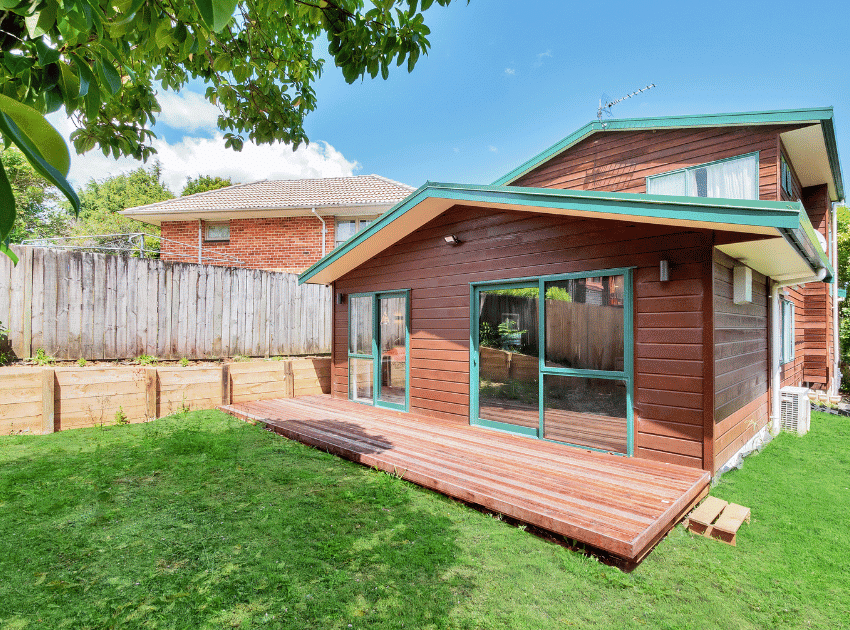
A master suite is a self-contained adult retreat — usually a bedroom, ensuite, and walk-in wardrobe — designed and built as one connected space rather than three separate rooms. In NZ, the term gets used loosely. What separates a true master suite from “the main bedroom with an ensuite added” is intentional planning:
- Generous bedroom (typically 16–25m²) with proper bedside circulation
- Walk-in wardrobe with planned storage, lighting, and ventilation
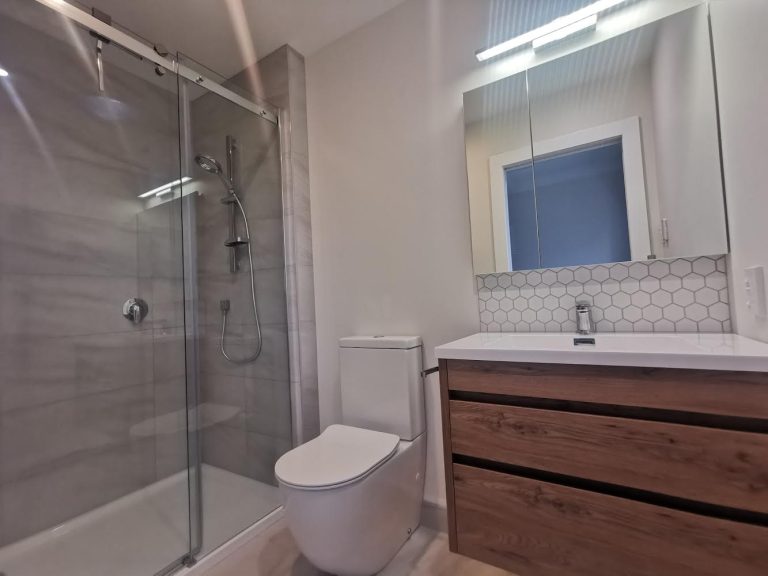
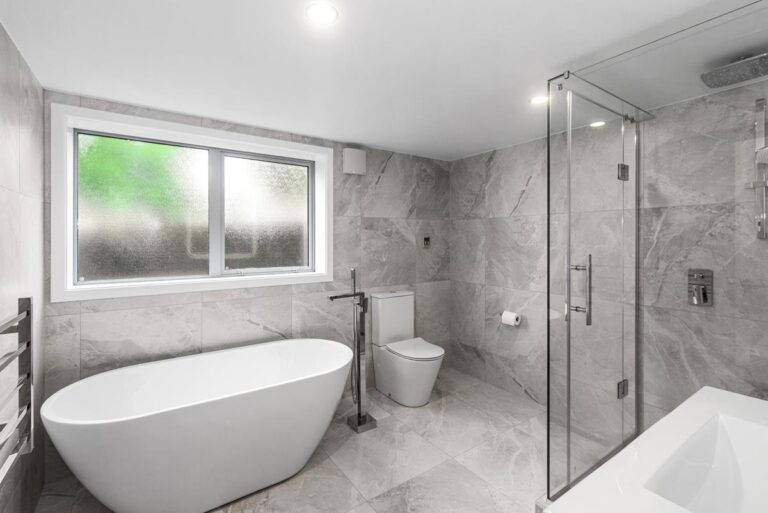
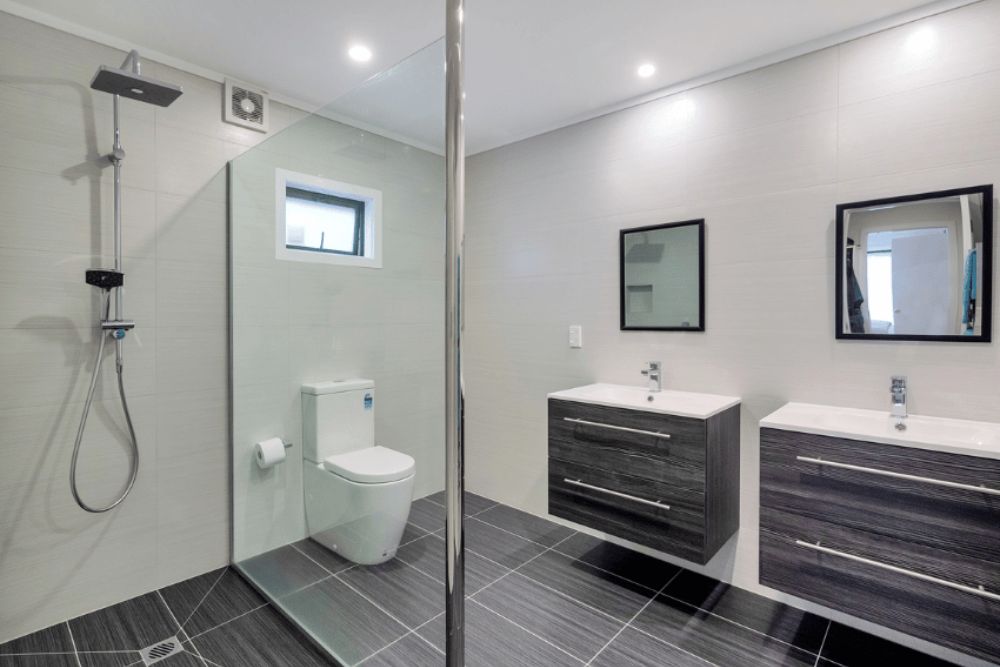
- Ensuite scaled to actually function — at minimum twin vanities, full-size shower, separate WC
- Acoustic and visual separation from the rest of the house
- Often: private outdoor access, a study nook, or a small lounge
The total floor area usually lands between 35m² and 60m², depending on whether you want a sitting area or just the core three rooms.
Why Auckland clients are adding master suites
Three patterns drive almost every master suite project we take on:
1. Empty-nest stage. The kids have moved out (or are about to). You don’t need a five-bedroom house — you need one excellent bedroom. A master suite reclaims unused upstairs space or annexes a guest room next door.
2. Retirement planning. A ground-floor master suite means no stairs as you age. We’ve built several where the brief was “I want to stay in this house for the next 20 years.” Single-level living is the underlying request.
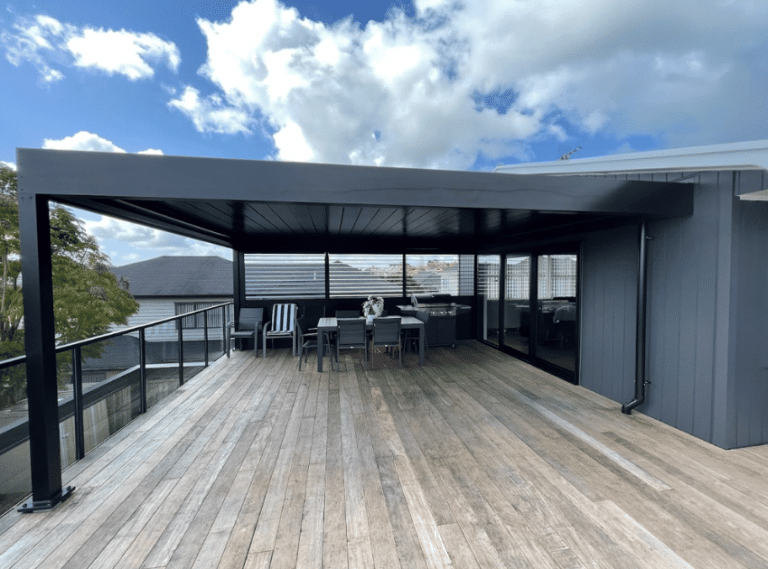
3. Privacy from teenagers or adult children at home. When your 19-year-old isn’t moving out and the boundaries are getting thin, a master suite at the opposite end of the house — sometimes with its own deck — gives parents the only door they can actually close.
Master suite cost in Auckland (2026 ranges)
Master suite costs vary more than most renovation projects because of one variable: are you building new floor area, or working within the existing footprint?
Within existing footprint (reconfiguring rooms)
$80,000 – $160,000 for converting two existing bedrooms into a single master suite. Includes wall removal, ensuite plumbing, electrical, joinery, surfaces, and consent where required. Lower end is a cosmetic-led upgrade with minor structural work; higher end is full reconfiguration with premium finishes.
Ground-floor extension (new build-out)
$220,000 – $380,000 for adding a 40–55m² master suite to your existing ground floor. The price reflects new foundations, framing, roof, weathertight envelope, full fit-out, plus the joining work into the existing house. Auckland’s site access and consent timelines push the number higher than national averages.
Attic / second-storey conversion
$180,000 – $320,000 if you have existing roof space tall enough to convert. Most 1970s-onward Auckland homes don’t — you’d need a proper second storey extension instead. Older bungalows and villas often do have the height, which makes this a strong option for character homes.
Over garage conversion
$200,000 – $300,000 for converting space above an attached garage. Requires structural assessment of the garage and a stair connection from the main house. Underestimated cost: the stair takes a 4–6m² bite out of your existing living area.
The four layout approaches
1. The reconfiguration
Combine two existing bedrooms and the family bathroom into a single suite. Cheapest option and fastest to consent. Works well in 1970s-onwards homes that have three or four bedrooms in a cluster. Limitation: you lose a bedroom, which can affect resale if you ever sell.
2. The ground-floor add-on
Build a new wing off the back or side of the house. Best for clients staying long-term — you keep all your existing bedrooms and add a quality retreat. Requires good site coverage allowance and probably building consent. Usually involves resource consent if you’re going beyond permitted setbacks.
3. The above-garage suite
Excellent on small Auckland sites where you can’t extend outward. Privacy is automatic — you’re on the other side of the house from the kids. Structural strengthening of the garage is non-negotiable; most weren’t built for a habitable load above. Stair location is the design battle.
4. The attic conversion
Best for villas and bungalows with usable roof space. The character ceilings, dormer windows, and tucked-away feel make for the most romantic master suite of the four options. Watch for: existing roof framing usually needs reinforcement, and gaining the stair access can cost more than you’d expect.
Building consent: when you need it
Almost every master suite renovation needs building consent. Here’s why:
- Plumbing changes — adding an ensuite means new waste runs, hot/cold water lines, and ventilation. Always requires consent.
- Structural work — removing internal walls, opening up rooms, adding floor area. All requires consent.
- Adding floor area — anything beyond 10m² needs full consent. Even under 10m² often needs it depending on use.
- Electrical for the ensuite — requires certification.
For an Auckland Council building consent, allow 30–45 working days for processing after lodgement. That’s the council’s clock — your designer’s drawing time is on top of that. Budget 3 months from “let’s start designing” to “consent in hand”, before construction begins.
Realistic timeline
For a master suite renovation in an Auckland home:
- Reconfiguration within footprint: 8–12 weeks on site
- Ground-floor extension: 14–20 weeks on site
- Above-garage or attic conversion: 12–18 weeks on site
Add 8–12 weeks of design and consent before construction starts. So the realistic total from first conversation to moving in: 5–8 months.
Six mistakes we see clients make
1. Undersized walk-in wardrobe. A walk-in needs to fit two people standing in it simultaneously, with hanging on both sides. Minimum 1.6m wide x 2.2m long. Anything less is just a closet with a door.
2. No acoustic planning between bedroom and ensuite. Insulate the wall between them properly. A normal stud wall transmits every sound. We use double-stud or staggered-stud construction with mineral wool for master suites.
3. Forgetting the second light switch. You should be able to turn off the bedroom lights from the bed without getting up. Sounds obvious — gets missed every time.
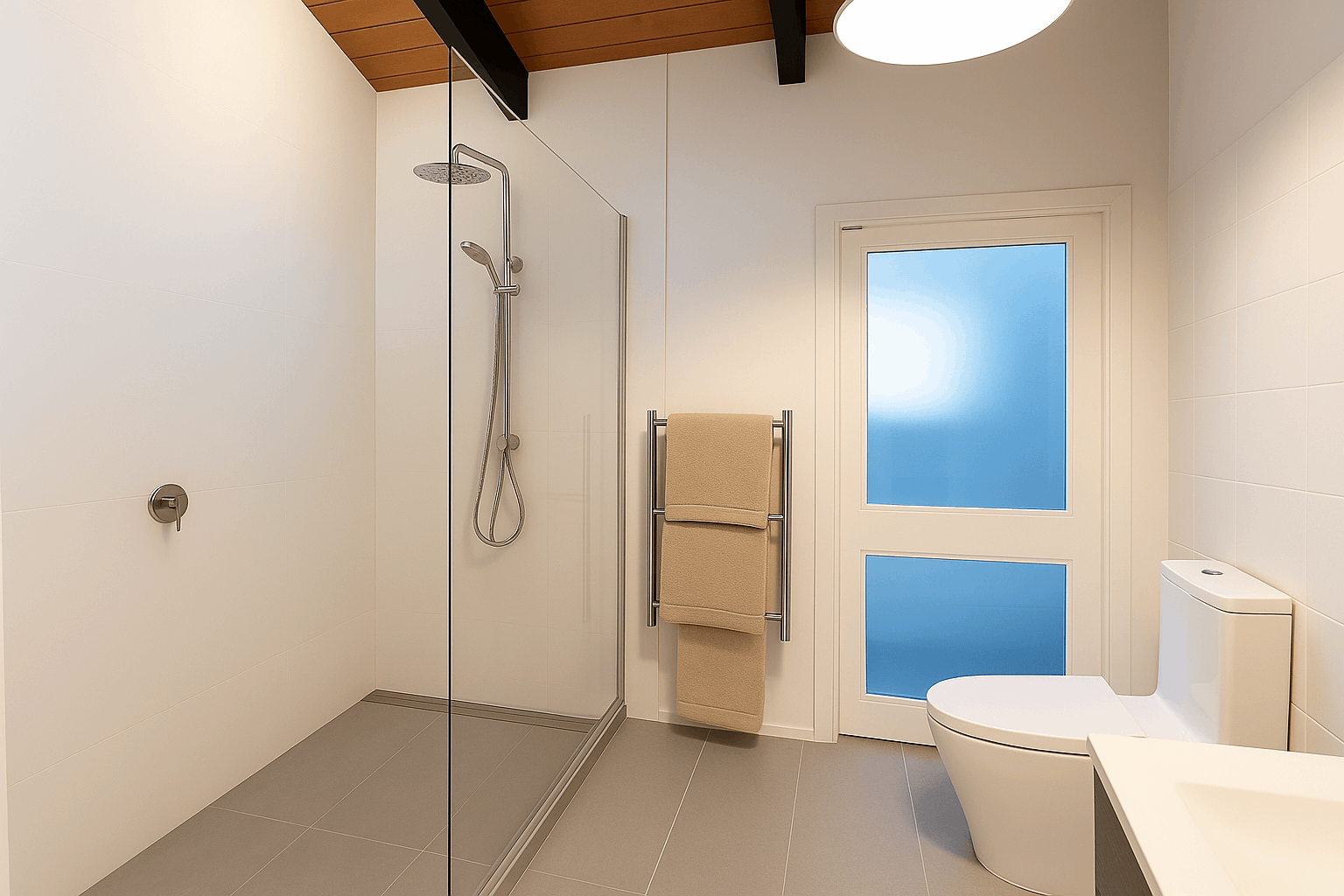
4. Underplanned ensuite ventilation. A single extract fan in the ceiling isn’t enough for a daily-use ensuite. Plan for mechanical ventilation with humidity sensing. Auckland’s humidity makes this non-negotiable.
5. Bad door placement. The ensuite door should not be visible from anyone standing in the hall. Privacy by layout, not by a closed door.
6. Generic finishes. The master suite is one of the few rooms you genuinely use every day. Spend the budget here — not on the formal lounge nobody sits in. Better tiles, better tapware, better lighting.
How to plan yours
Start with three questions:
- Are you adding floor area or reconfiguring? The answer determines your budget bracket and consent path.
- What does “private” mean for your household? If you have teenagers, “the other end of the house” matters more than “biggest ensuite.”
- Will you stay 5+ years? If yes, build it for you. If you might sell sooner, consider how it affects bedroom count.
If you’re considering a second storey to fit your master suite up there instead of extending out, read our guide on adding a second storey to your Auckland home — the cost and feasibility considerations are quite different from a ground-floor approach.
The 7 things most Auckland families only learn after they’ve signed
Insider knowledge from 25+ years of Auckland renovations — the 7 things experienced renovators have learnt, condensed into a short guide you can read in 15 minutes. Save yourself the expensive lessons.
Plan your master suite
Three ways to move forward — an instant estimate, a free on-site consultation, or our renovation ebook.
Get an instant estimate → Book a free consultation → Download the 7 Things ebook →