Auckland · 2026 Edition
Garage Conversion Costs in Auckland: What to Expect & How to Maximise Value (2026)

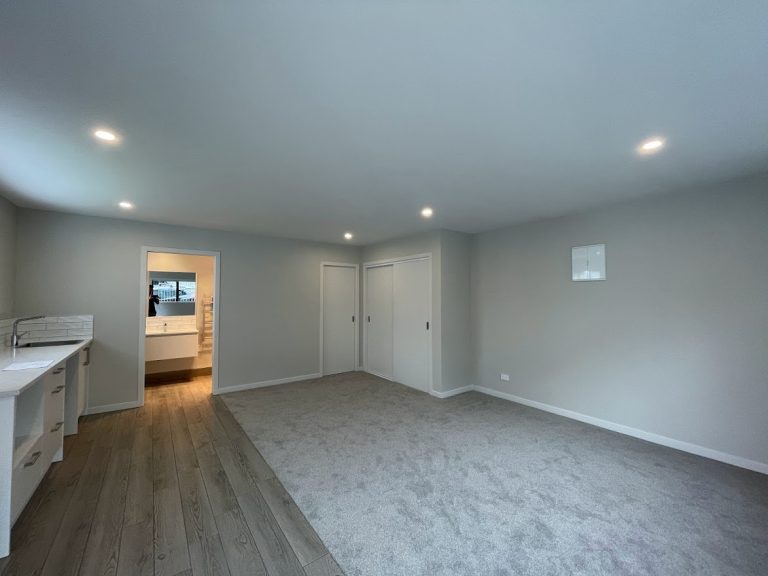
A garage conversion in Auckland typically costs $25,000–$55,000 for a single and $40,000–$90,000 for a double in 2026 — making it the fastest, lowest-cost way to add genuine habitable space to your home.
Because the structure and roof already exist, a garage conversion delivers usable floor area for a fraction of an extension. But turning a garage into a legal habitable room means meeting the Building Code for insulation, moisture, ventilation and egress — it’s more than carpet and a heater.
This guide covers real 2026 costs, what drives them, the consent question, and how to get the most value.
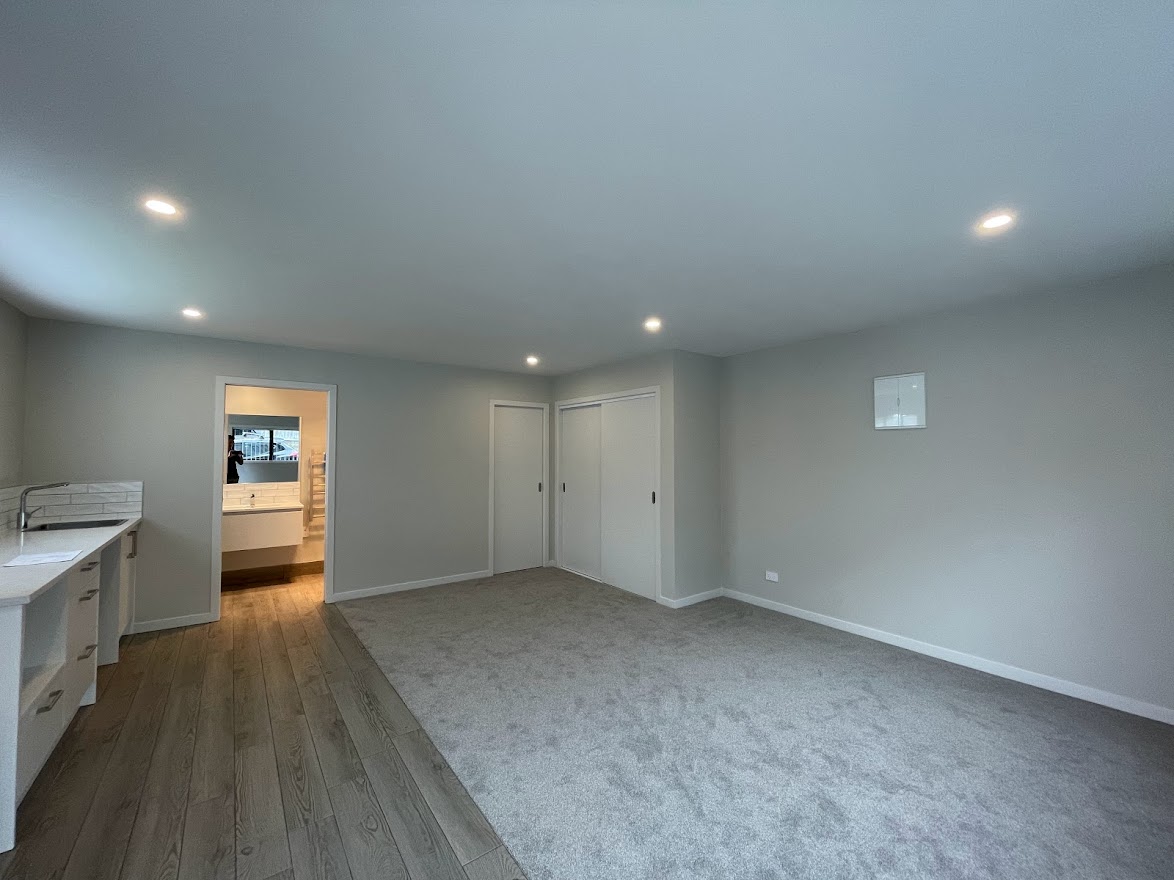
Conversion cost ranges
| Conversion | Typical 2026 cost | Scope |
|---|---|---|
| Single garage — basic room | $25K–$40K | Insulation, lining, flooring, heating, glazing; office/rumpus/bedroom. |
| Single garage + bathroom/kitchenette | $40K–$55K | Add plumbing, drainage, wet-area waterproofing. |
| Double garage — self-contained | $60K–$90K+ | Larger space, ensuite + kitchenette, separate entry, full fit-out. |
Cost climbs once you add plumbing, replace the garage door with a proper wall and window, lift the floor, or upgrade for self-contained use.
What drives the cost
- Plumbing. Adding a bathroom or kitchenette is the biggest single jump — new drainage, supply and waterproofing.
- Insulation & moisture. Garage slabs are often uninsulated and damp; a habitable room needs floor, wall and ceiling insulation and a moisture barrier.
- The garage door. Swapping the roller door for an insulated wall with windows is a structural and weathertightness job.
- Heating & ventilation. Required for a healthy, compliant habitable space.
- Egress & light. Habitable rooms need compliant windows for light and escape.
Garage conversions and the 70m² granny-flat exemption
If you want a fully self-contained unit, it’s worth checking whether a detached build qualifies for the new 70m² consent exemption instead — sometimes a purpose-built minor dwelling beats converting an attached garage. We assess both at design stage.
Do you need consent?
Converting a garage into a habitable room is a change of use and almost always needs building consent — because the space must now meet Building Code clauses for insulation, moisture, ventilation, natural light and egress that a garage doesn’t. Adding plumbing reinforces that. Treating it as “just a reline” is the most common compliance mistake, and it bites at resale when a solicitor asks for the paperwork.
Best uses & value
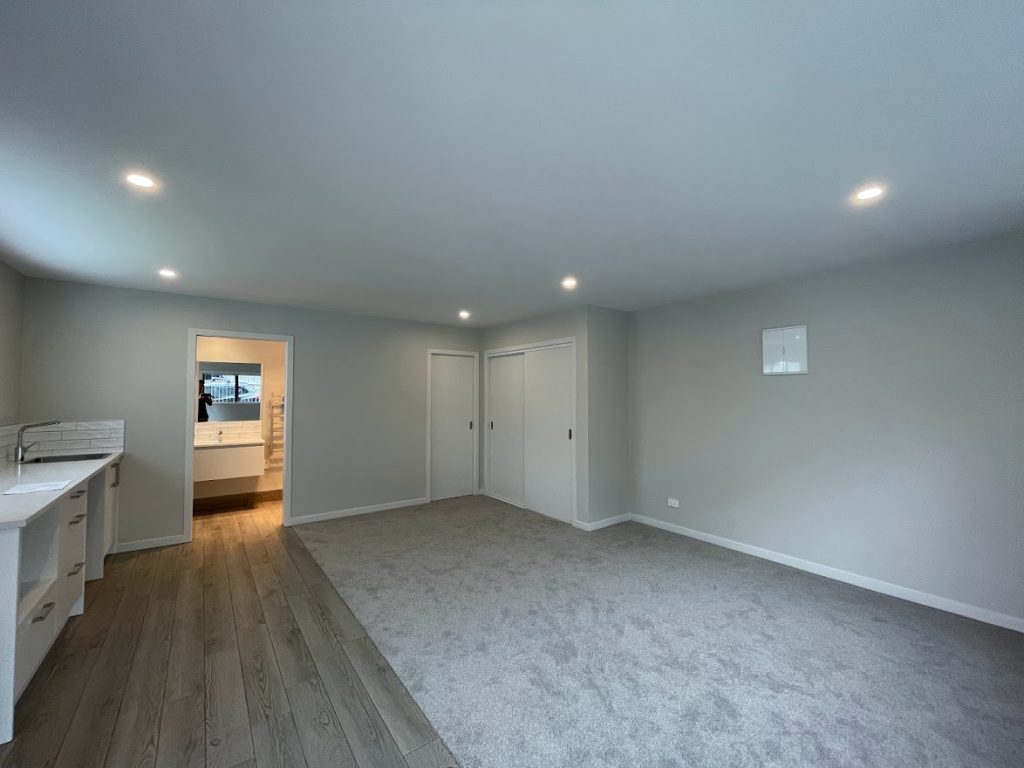
The strongest-value conversions create a room the market recognises: a legal bedroom, a self-contained studio for rental or family, or a proper home office. A warm, dry, well-lit converted garage adds usable area and value; a cold, damp, non-compliant one adds neither. Off-street parking loss can matter in some suburbs — weigh it against the space gained.
Pitfalls to avoid
- Skipping consent on a change of use — a resale and insurance problem.
- Ignoring the damp slab — moisture must be managed or the floor and linings fail.
- Under-insulating — a cold room nobody uses is wasted money.
- Losing essential parking where the suburb prizes it.
Garage conversion FAQs
In 2026, a single-garage conversion to a basic room runs $25,000–$40,000; adding a bathroom or kitchenette takes it to $40,000–$55,000; and a self-contained double-garage conversion runs $60,000–$90,000+. Plumbing and replacing the garage door are the biggest cost drivers.
Almost always, yes. Converting a garage to a habitable room is a change of use and must meet Building Code requirements for insulation, moisture, ventilation, light and egress — so it needs building consent. Adding plumbing reinforces the requirement.
Yes — because the structure, roof and slab already exist, a conversion delivers habitable space for far less than building new floor area. It’s the fastest, lowest-cost way to add a room, provided the space can be made warm, dry and compliant.
You can create a self-contained unit, but if a fully independent dwelling is the goal it’s worth comparing against a purpose-built detached minor dwelling under the new 70m² consent exemption, which can sometimes be the better path. We assess both options at design stage. For a full breakdown of what council requires and whether the numbers stack up, read converting a garage into a minor dwelling.
Skipping consent on the change of use, ignoring a damp slab, under-insulating, and poor ventilation. These produce a cold, damp, non-compliant room that adds no value and causes problems at resale and with insurance.
Thinking about converting your garage?
Get an estimate, book a free consultation, or grab the homeowner’s guide.
Get an instant estimate → Book a free consultation → Download the 7 Things ebook →