
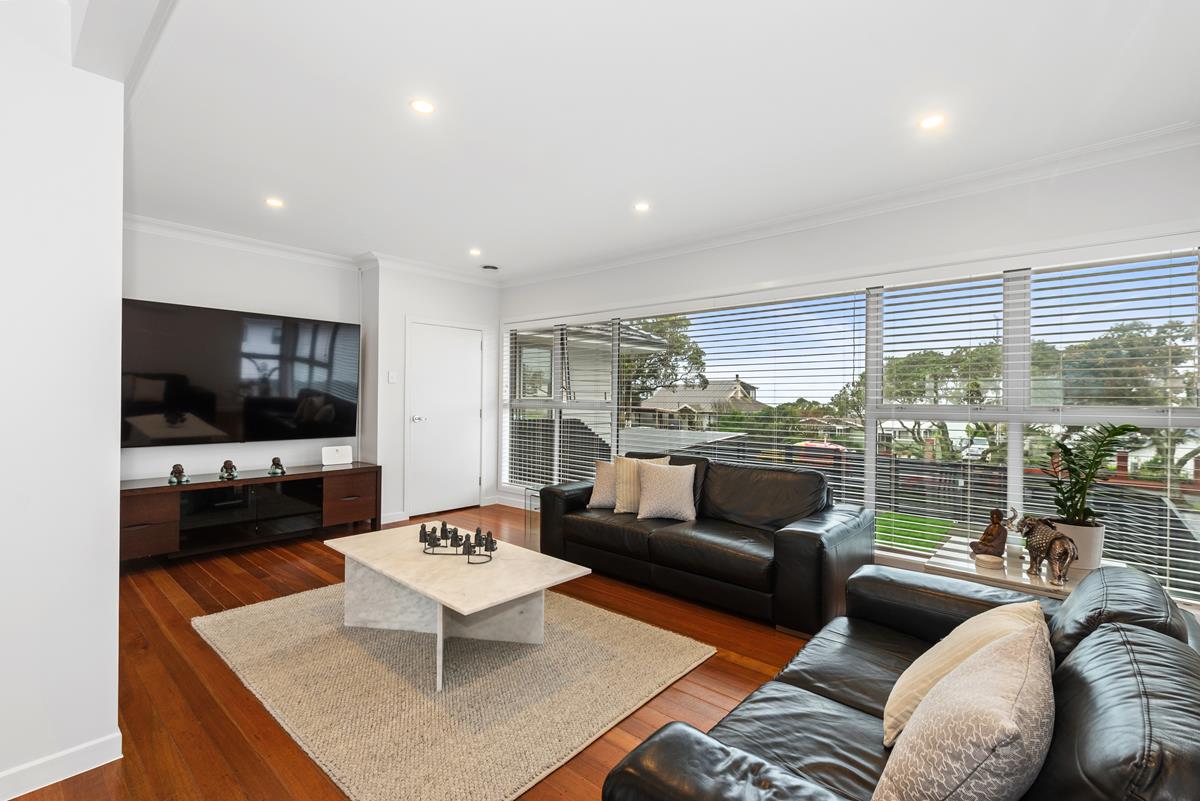
A fixed price starts with a clear scope.
AVR brings the builder, designer and QS into one team so the drawings, inclusions and real price are tested before the construction contract is signed.
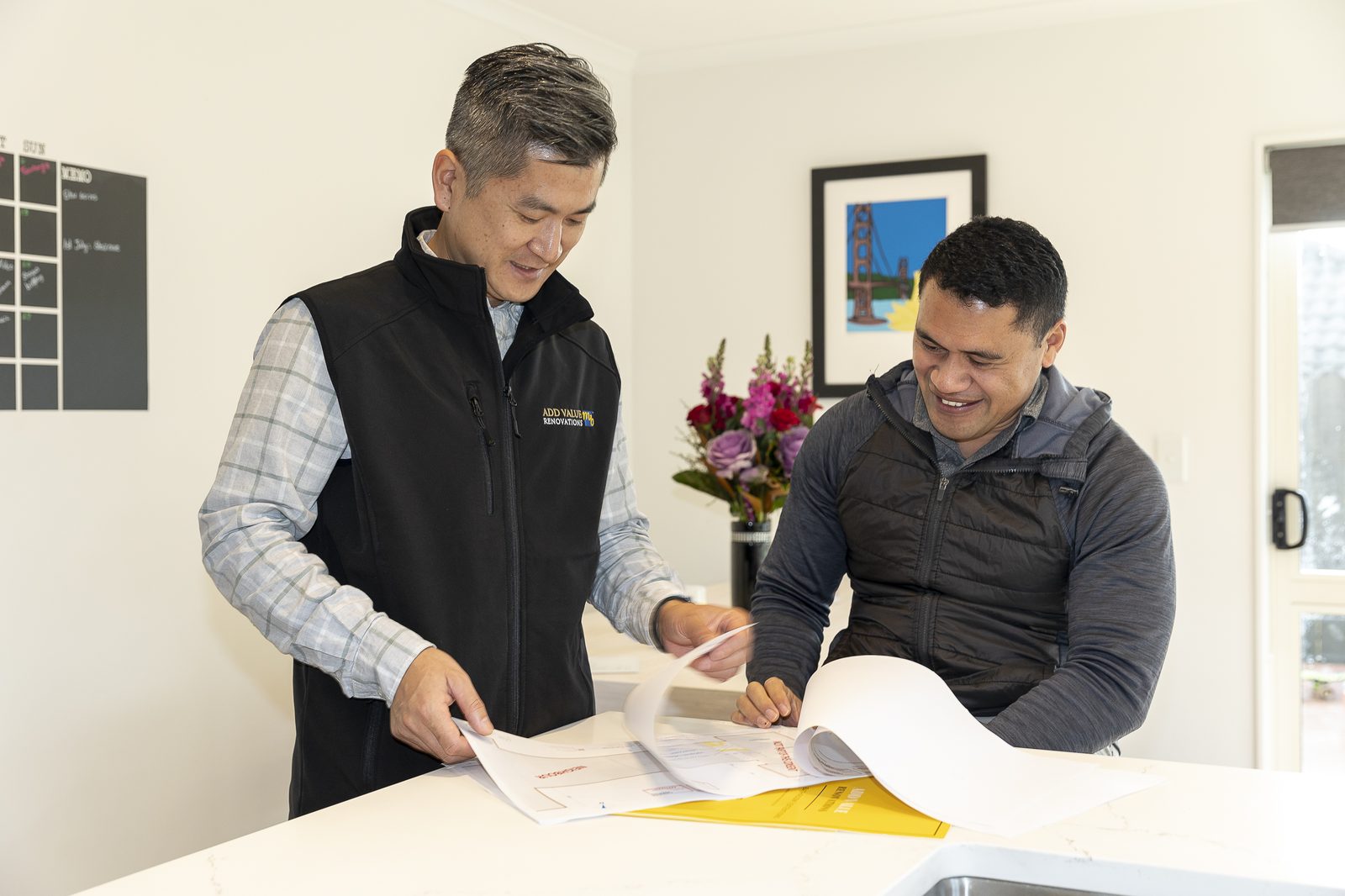
The drawings, selections, site conditions and trade scope need to tell the same story.
What is a fixed-price renovation contract?
It sets an agreed price for a defined scope, drawings, specifications and allowances. It gives useful budget certainty only when exclusions, provisional sums, variations and concealed conditions are written clearly.
A low headline number with missing work is not the same as a fixed price. The useful question is: fixed for exactly what?
New Zealand law requires a written contract for residential building work costing $30,000 or more including GST. See MBIE’s current guidance on contracts for building projects.
How AVR builds price certainty
AVR develops the design and price together. The architectural designer, QS and Registered Master Builder test scope, structure, access, selections and consent requirements before the build price is locked.
Designer
Turns the brief into coordinated drawings and specifications that can be consented, priced and built.
Quantity surveyor
Measures the scope, checks trade pricing and allowances, and exposes missing cost before contract.
Master Builder
Checks buildability, programme, site logistics, subcontractor input and practical construction risk.
This is AVR’s “one team, one contract” approach: one coordination point through planning, and one accountable construction contract for the agreed AVR build scope.
What must be resolved before fixing the price?
The team needs enough information to price the real job: drawings, structural design, specifications, selections, site investigations, consent requirements, access constraints and a clear split between included, excluded and provisional work.
- Scope. Define rooms, structural work, services, finishes and the standard of completion.
- Design. Coordinate architectural and engineering information so trades are pricing the same solution.
- Site risk. Review access, existing structure, drainage, ground conditions, asbestos risk and occupied-home constraints.
- Selections. Set realistic prime-cost allowances or choose products before contract.
- Trade pricing. Obtain current subcontractor and supplier prices for the measured scope.
- Contract review. Check price, programme, payments, exclusions, variations, insurance, defects and dispute terms before signing.
If you already hold approved plans, AVR can review them through the consented plans builder pathway.
What can still change a fixed price?
A fixed price can change when the homeowner requests a variation, an allowance is adjusted, concealed conditions are found, an authority requires extra work, or another event gives an entitlement under the contract. The contract should explain each route.
Variations: changes to scope, products or design should be described, priced and approved before the work proceeds, with any programme effect recorded.
Provisional sums: these are allowances for work that cannot yet be fully defined. They need a clear basis and an agreed method for adjusting the final price.
Prime-cost items: these are supply allowances for selections such as fittings or appliances. Choosing above or below the allowance changes the contract sum.
Latent conditions: concealed rot, unsafe wiring, asbestos or unexpected structure cannot always be confirmed before demolition. The contract should set out investigation, evidence and approval steps.
What does an Auckland renovation cost in 2026?
AVR’s published 2026 guide places quality Auckland renovation work broadly around $3,500–$7,500 per square metre, while home extensions commonly range from about $3,500–$8,000 per square metre. Scope, structure, site access, wet areas and finish level can move the price significantly.
30m² family extension
AVR’s current extension guide uses roughly $135,000–$204,000 for a mid-range 30m² family extension, before project-specific exclusions and specialist costs.
Design and consent
Allowances can include architectural documentation, engineering, council charges and other property-specific approvals.
Unknowns and changes
A measured contingency is still sensible for owner changes and risks that cannot reasonably be opened up before contract.
Review the live Auckland renovation cost guide and extension cost guide. These are planning ranges, not a project quote.

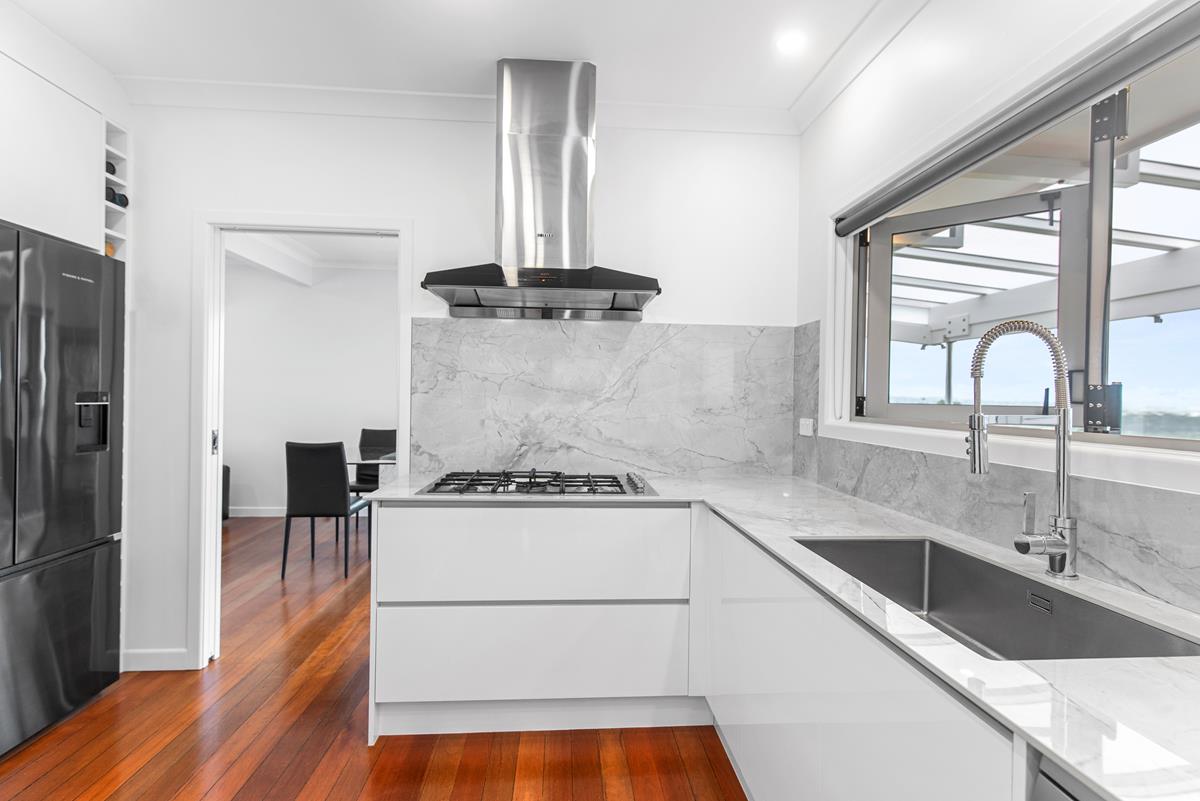
The contract sum should trace back to the drawings, scope and current trade pricing.
How should you compare renovation quotes?
Compare the scope and risk allocation, not just the total. Put drawings, inclusions, allowances, exclusions, programme, payment terms and variation rules side by side.
Check demolition, temporary works, scaffolding, protection, rubbish, engineering attendance, council inspections, painting, floor finishes, electrical upgrades, final cleaning and completion documents.
If one price is much lower, find the missing scope before signing. AVR’s QS-backed process makes the contract sum traceable to the work, not just a round number.
What protections apply to Auckland homeowners?
Residential building work is covered by statutory consumer protections, including required written contracts above the threshold, prescribed disclosure, implied warranties and a 12-month defect repair period. Contract terms still matter and should be reviewed carefully.
MBIE’s homeowner protection guidance explains the current rules. MBIE recommends legal advice before signing. Eligible AVR projects may also be covered by the Master Build 10-Year Guarantee, subject to the guarantee’s application, acceptance, terms and conditions.
This page is general building information, not legal advice.
Fixed-price renovation contract FAQs
What is a fixed-price renovation contract?
It sets an agreed price for a defined scope, drawings, specifications and allowances, subject to the contract’s stated adjustment rules.
Is a written contract required in New Zealand?
Yes for residential building work costing $30,000 or more including GST.
What should the contract include?
Scope, materials, price, payments, dates, consent responsibilities, supervision, defects, delays, variations, insurance and dispute resolution.
Can the fixed price change?
Yes for agreed variations, allowance adjustments, defined concealed conditions and other entitlements stated in the contract.
What is a provisional sum?
An allowance for work that cannot yet be fully defined or priced. The adjustment method should be clear.
Why resolve design before fixing price?
Clear design reduces assumptions and lets all builders and trades price the same work.
How does AVR’s one-team model work?
The builder, designer and QS develop the scope and budget together, with AVR as the main coordination point.
What if hidden damage is found?
The contract should set out investigation, evidence, pricing and approval before additional work proceeds.
How are payments staged?
They follow the written schedule, usually aligned with milestones or regular supported progress claims.
Should I get legal advice?
Yes. MBIE recommends legal advice so you understand your specific contract and obligations.
Price the scope before you lock the contract
Get a practical starting range, then bring the designer, QS and builder together around your property and budget.
Free · About two minutes · No obligation