
Auckland · 2026 Edition
The Most Common Renovation Mistakes in Auckland — and How to Avoid Them (2026)

Most renovation regret comes down to a handful of avoidable mistakes — budget blowouts, the wrong builder, scope creep and consent surprises. Know them before you start and you dodge the expensive lessons other homeowners learn the hard way.
After 500+ Auckland renovations, the same mistakes come up again and again — and almost all of them happen before a hammer is swung. This guide lists the big ones and the simple defence against each.
Get these right at the planning stage and the build runs clean.
1. Underbudgeting and no contingency
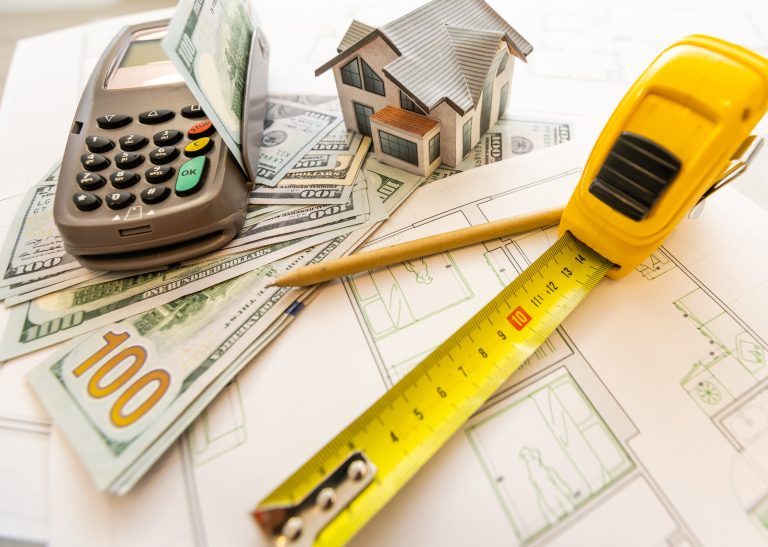
The most common — and most expensive — mistake. Older Auckland homes hide rot, dated wiring and failed waterproofing that only appear once walls open up. Without a 15–20% contingency, the first surprise derails the whole project. Budget the full picture: build, professional fees, council costs, contingency and soft costs.
2. Choosing a builder on price alone
The lowest quote almost always becomes the most expensive job once variations stack up — because it usually hides the smallest scope or the most optimistic allowances. A fixed-price contract from an experienced, QS-backed team is typically cheaper by the end than the lowest “estimate”.
3. Scope creep
“While we’re at it” is how a $200K renovation becomes $280K. Every mid-build addition costs more than if it had been planned, and ripples through the programme. Decide the scope upfront, and hold the line — or consciously stage extras.
The pattern behind every blowout
Almost every budget disaster traces to the same root: a design that was never properly costed before construction started. Get a Quantity Surveyor pricing the design as it’s drawn and most of these mistakes simply can’t happen.
4. Consent surprises
Assuming work doesn’t need consent — or lodging an incomplete application — causes delays, stop-work risk and resale headaches. Most structural, plumbing, drainage and weathertightness work needs building consent. Confirm early and lodge complete.
5. Designing before pricing
Paying for full drawings before checking they fit your budget is the classic “architect’s trap” — it forces a costly redesign when the price comes back too high. Set the budget first and design to it with real-time pricing.
Renovation mistake FAQs
Underbudgeting and carrying no contingency. Older Auckland homes routinely hide rot, dated wiring and failed waterproofing that only appear once work starts, and without a 15–20% contingency the first surprise derails the project.
Because the lowest quote often hides the smallest scope or the most optimistic allowances, so variations stack up during the build. A fixed-price, QS-backed contract is typically cheaper by completion than the lowest open estimate.
Decide the full scope upfront and hold the line, or consciously stage extras as separate phases. Every ‘while we’re at it’ addition mid-build costs more than if it had been planned and ripples through the programme.
Confirm early what needs consent — most structural, plumbing, drainage and weathertightness work does — and lodge a complete application. Assuming work is exempt, or lodging incomplete, causes delays, stop-work risk and resale issues.
Get the design costed by a Quantity Surveyor before construction starts. Most blowouts trace to a design that was never properly priced, so QS-backed design-to-budget prevents the majority of expensive mistakes.
Want to get your renovation right first time?
Get an estimate, book a free consultation, or grab the homeowner’s guide.
Get an instant estimate → Book a free consultation → Download the 7 Things ebook →